
Running a business in Hermosa Beach means handling countless legal decisions-from setting up your company structure to closing major deals. Corporate and transactional law touches nearly every significant move you make.
At Pierview Law, we’ve seen what happens when business owners skip the legal groundwork or miss critical details in contracts. The good news is that understanding these fundamentals protects your interests and prevents costly mistakes down the road.
Building the Right Corporate Foundation
Selecting Your Business Structure
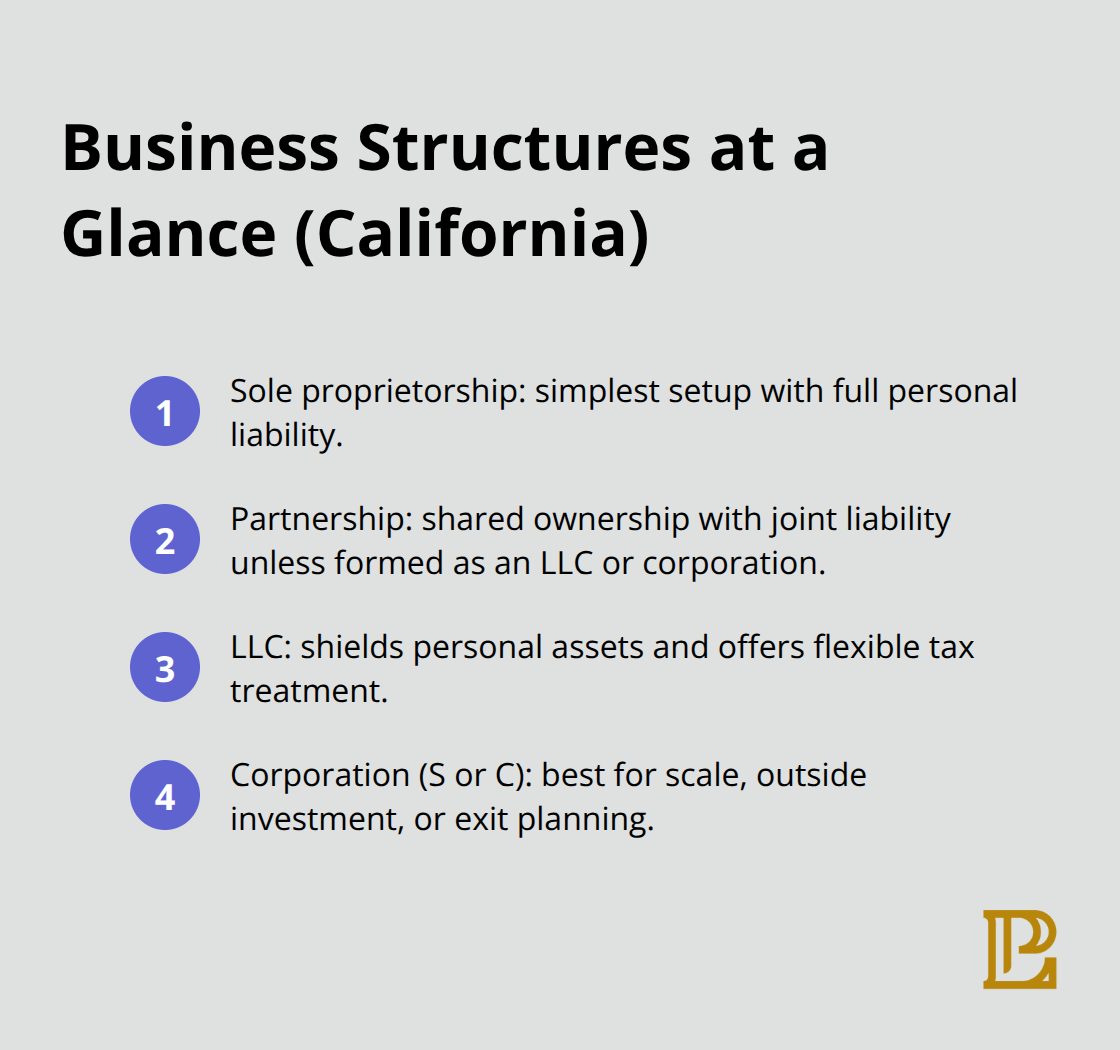
Choosing your business structure is the single most important decision you’ll make, and it determines everything from personal liability to tax consequences. California recognizes four major structures: sole proprietorship, partnership, limited liability company (LLC), and corporation (S or C corporation). Each carries vastly different implications. A sole proprietorship offers simplicity but leaves your personal assets completely exposed if something goes wrong. A partnership spreads risk among partners but creates joint liability unless you form an LLC or corporation. An LLC shields personal assets while allowing flexible tax treatment, making it the go-to choice for most Hermosa Beach business owners. A C corporation is ideal if you’re planning significant growth, outside investment, or an eventual exit, while an S corporation works for established businesses wanting to reduce self-employment taxes. The structure you select must align with your growth plans, financing needs, and whether you’re building to sell.
Making the Choice Early and Deliberately
Selecting your structure during formation matters far more than restructuring years later when the process becomes expensive and complicated. Once you’ve selected your structure, governance requirements kick in immediately. Corporations demand a board of directors, regular shareholder meetings, and documented decisions through minutes and resolutions. LLCs require an operating agreement that clarifies member rights, profit distribution, and decision-making authority. Partnerships need a formal agreement spelling out capital contributions, profit sharing, and dispute resolution. Failing to maintain these records weakens your liability protection and invites IRS scrutiny. Hermosa Beach business owners often underestimate how seriously regulators take governance compliance.
Understanding Your Governance Obligations
Your articles of incorporation or formation documents aren’t just paperwork; they’re binding contracts that define shareholder rights, voting power, and how major decisions get made. Shareholders have the right to inspect books and records, receive notice of meetings, and vote on significant matters like mergers or dissolution. The operating agreement or partnership agreement should address what happens if a partner leaves, dies, or wants to sell their stake (these contingencies prevent disputes that could cost tens of thousands in litigation). These documents prevent conflicts that drain resources and distract from running your business. Your corporate structure and governance framework determine whether you have real liability protection and whether your business can scale without legal chaos. When you’re ready to handle major transactions-whether that’s bringing in investors, negotiating contracts, or planning an exit-your foundation must be solid. That’s where business law guidance comes into play.
What Makes or Breaks a Business Deal
Contract Terms That Protect Your Interests
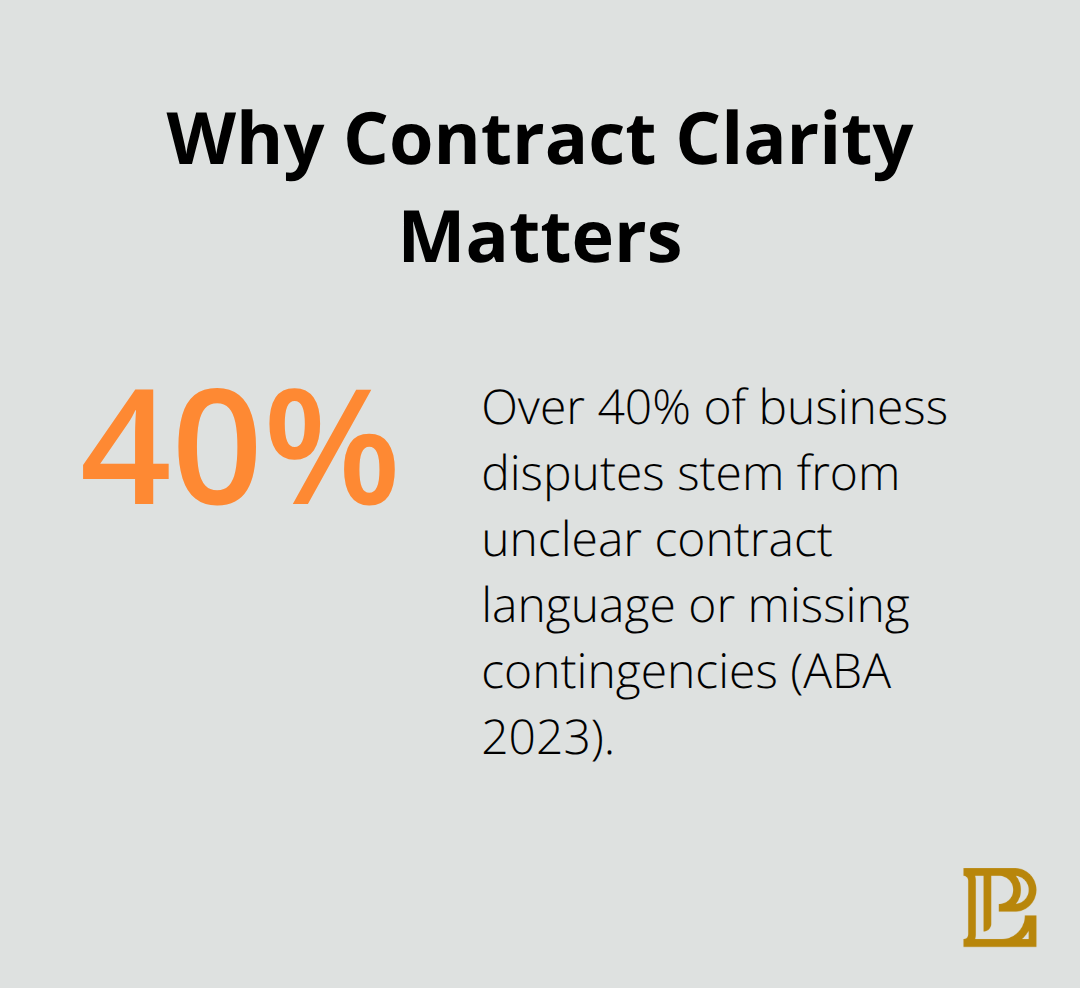
Once your corporate foundation is solid, you’ll face transactional decisions that shape your company’s future. Contracts, acquisitions, and financing arrangements move fast in Hermosa Beach’s competitive business environment, and speed cannot come at the expense of clarity. The difference between a deal that strengthens your position and one that creates legal exposure often comes down to how thoroughly you handle the details before signing anything. Business owners rush through contract terms only to discover ambiguous language or missing provisions months later when a dispute erupts. A 2023 survey by the American Bar Association found that over 40% of business disputes stem from unclear contract language or missing contingencies, yet most of these conflicts could have been prevented with proper drafting upfront.
When you negotiate a contract, every term matters: payment schedules, performance deadlines, liability caps, termination rights, and dispute resolution methods all demand specific, measurable language rather than vague intentions. Don’t accept boilerplate language from the other side without modification; standard forms favor whoever drafted them. Precise definitions, clear deliverables, measurable performance metrics, and realistic dispute resolution mechanisms protect you when disagreements arise.
Due Diligence in Mergers and Acquisitions
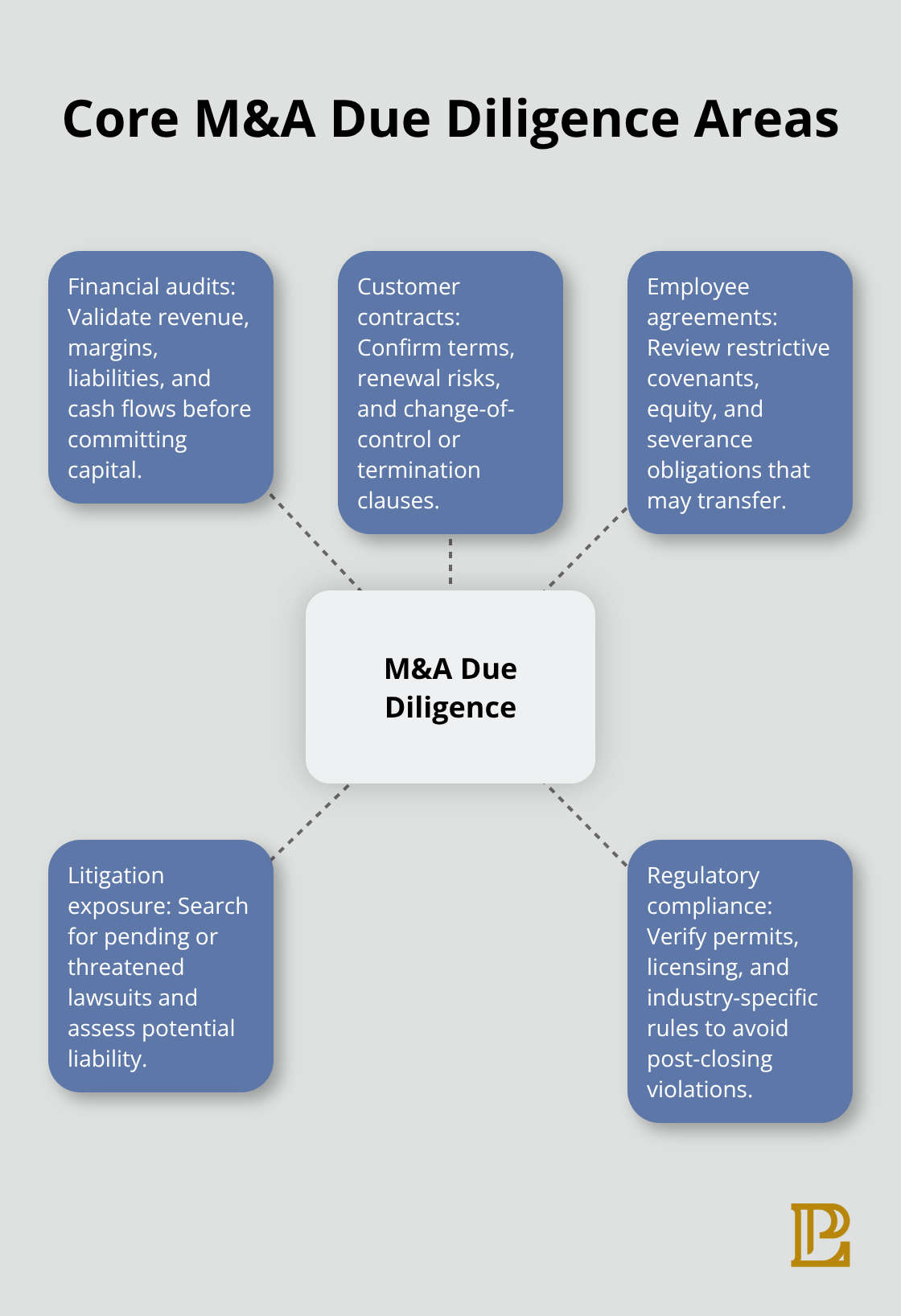
Mergers and acquisitions require deeper scrutiny because the stakes are substantially higher. Before you commit to buying a business or merging with another company, conduct thorough due diligence that includes financial audits, customer contract reviews, employee agreements, outstanding litigation, and regulatory compliance verification. Hidden liabilities-undisclosed lawsuits, tax issues, or environmental problems-can surface after closing and drain hundreds of thousands from your bottom line. Independent verification of financial statements and contractual obligations before you close protects you from inheriting someone else’s problems.
Financing Decisions and Their Long-Term Impact
Financing arrangements, whether through bank loans, investor capital, or equipment financing, come with legal obligations that extend far beyond the initial funding. Loan covenants restrict your operational flexibility, and equity investments dilute ownership while imposing governance requirements on decision-making. Understanding these trade-offs before you sign prevents surprises that derail your growth strategy. Financing decisions should align with your long-term growth trajectory and not saddle you with obligations that limit your flexibility when opportunities emerge.
How These Elements Connect
Hermosa Beach business owners often overlook how interconnected these transactional elements are. A poorly drafted vendor contract might create disputes that distract management during a critical acquisition period. An unclear financing agreement could trigger default clauses when market conditions shift. Growth requires these transactions, but you must approach each one with the same rigor you applied to selecting your corporate structure. The cost of getting these decisions right upfront is far smaller than the expense of untangling poorly structured deals or defending disputes that could have been prevented. When you’re ready to move forward with major transactions, understanding what can go wrong positions you to spot and avoid the pitfalls that derail most deals.
Where Deals Fall Apart
Most business owners in Hermosa Beach discover too late that skipping due diligence creates problems worth far more than the cost of getting it right upfront. Due diligence means verifying everything the other party claims before you commit capital or sign closing documents. Financial statements need independent audit verification, not just the seller’s word. Customer contracts should be reviewed to identify revenue dependencies or termination clauses that trigger if ownership changes. Employee agreements must be examined for restrictive covenants, equity stakes, or severance obligations that transfer to you after closing. Title records, liens, and outstanding litigation need thorough investigation because undisclosed legal exposures become your liability once you close. A single hidden lawsuit or tax assessment can cost tens of thousands and destroy the financial projections that justified the deal. The American Bar Association reports that over 40% of business disputes stem from inadequate due diligence or missing contractual protections, yet most of these situations were preventable with proper investigation before closing.
Vague Language Creates Expensive Disputes
Contract terms that sound reasonable during negotiation often create disputes months or years later when circumstances change. Vague language like “reasonable efforts” or “best endeavors” invites conflicting interpretations when performance matters. Payment schedules need exact dates and amounts, not approximate timelines. Performance obligations must include measurable metrics so both parties understand what constitutes fulfillment. Liability caps, indemnification provisions, and termination rights deserve specific language rather than general statements. Dispute resolution methods should be spelled out upfront-whether you’ll use mediation, arbitration, or litigation-because choosing during a crisis costs far more than deciding in advance. Missing contingencies create exposure when unexpected circumstances arise. A vendor agreement lacking clear default remedies leaves you powerless when the other party stops performing. Financing agreements without defined covenants or default triggers create uncertainty about your operational flexibility.
Regulatory Compliance Demands Verification Before Closing
Businesses operating in Hermosa Beach and Los Angeles County face overlapping federal, state, and local regulations that vary significantly by industry. Environmental compliance, labor law requirements, licensing obligations, and coastal zone regulations all demand verification before transactions close. Failing to address these requirements during due diligence means discovering post-closing that your acquisition or financing violates regulations, triggers fines, or requires expensive remediation. A real estate transaction in coastal Hermosa Beach requires understanding California Coastal Commission rules, local zoning restrictions, and permit requirements before you commit to purchase. Employment agreements must comply with California’s prohibition on non-compete covenants in favor of NDAs and trade secret protections. Commercial leases need clarity on use restrictions, sublease provisions, and compliance obligations. Regulatory gaps discovered after closing often require renegotiation with leverage completely reversed in the other party’s favor, or worse, create compliance violations that damage your business operations.
Hidden Liabilities Become Your Problem After Closing
Undisclosed lawsuits, tax assessments, environmental contamination, or regulatory violations transfer to you the moment you close a transaction. The seller has every incentive to minimize or conceal problems that reduce the purchase price. Independent verification of financial statements, customer contracts, and legal compliance protects you from inheriting someone else’s liabilities. Environmental assessments for real estate transactions reveal contamination that could trigger cleanup obligations costing hundreds of thousands. Litigation searches uncover pending or threatened lawsuits that could expose you to liability. Tax audits and compliance reviews identify unpaid obligations or improper deductions that the IRS could pursue against you as the new owner. These investigations cost money upfront but prevent far larger losses after closing when you have no recourse against the seller (unless you negotiated strong indemnification provisions, which most business owners fail to do).
Final Thoughts
Corporate and transactional law decisions shape your business for years, which is why getting them right matters far more than moving fast. The foundation you build through proper entity selection, governance compliance, and contract clarity determines whether your company scales smoothly or stumbles through preventable disputes. Hermosa Beach business owners operate in one of California’s most competitive markets, where legal missteps compound quickly and drain resources you need for growth.
Protecting your interests means treating every transaction with the same rigor you applied to forming your business. Thorough due diligence before closing, precise contract language that anticipates problems, and regulatory verification prevent the hidden liabilities that surface months after you commit capital. These steps cost money upfront but save far larger amounts by avoiding disputes, compliance violations, and deals that unravel after closing.
We at Pierview Law understand that Hermosa Beach business owners need corporate and transactional law guidance that balances sophistication with practical business sense. Schedule a complimentary initial consultation with us to discuss your specific situation and the legal strategy that protects your interests. Contact Pierview Law today to ensure your corporate and transactional decisions rest on solid legal ground.