
Mergers agreements in California involve complex negotiations where one wrong move can cost you thousands. The difference between a solid deal and a problematic one often comes down to how carefully you handle the agreement details.
At Pierview Law, we’ve seen business owners rush through merger negotiations only to face costly disputes later. This guide walks you through the key elements, common mistakes, and proven strategies to protect your interests.
What Your Merger Agreement Must Include
The Three Structural Pillars
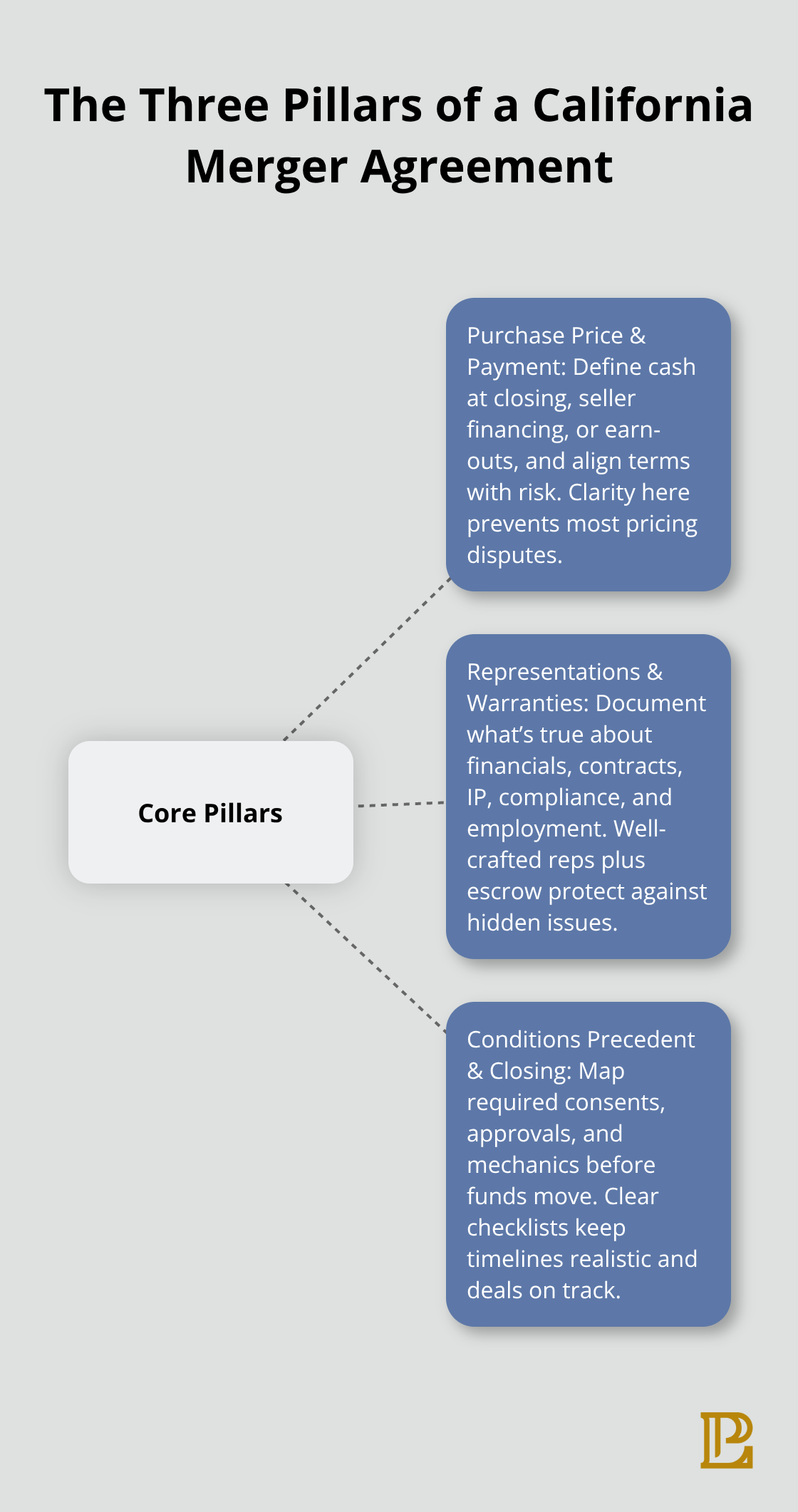
A merger agreement in California rests on three structural pillars: how you pay for the deal, what promises each side makes about the business, and what must happen before money changes hands. Most deals collapse not because the numbers are wrong, but because these three areas lack clarity. Hermosa Beach business owners often underestimate how detailed these sections need to be.
Purchase Price and Payment Structure
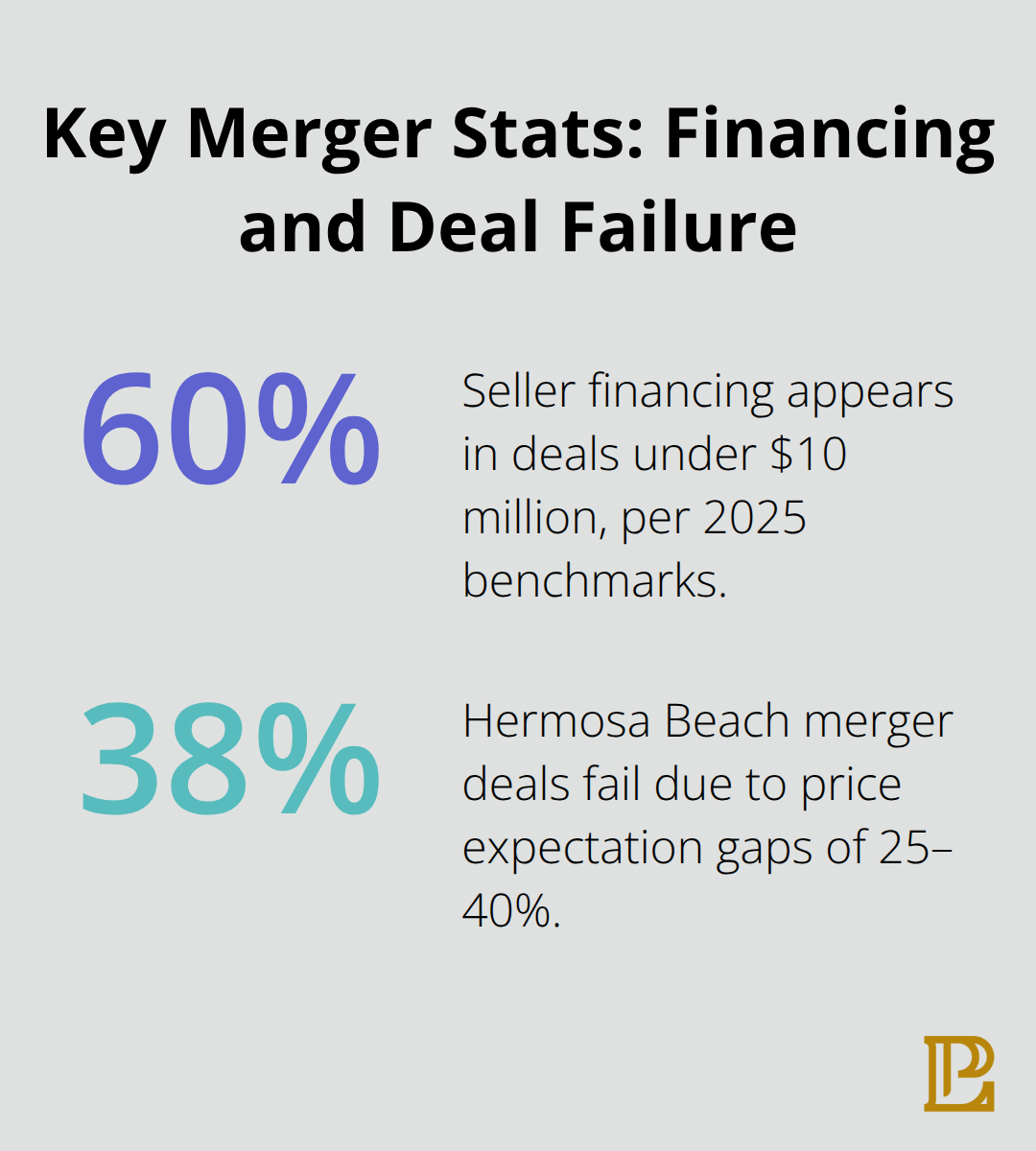
The purchase price section sounds straightforward-you agree on a number and payment method-but it’s where most disputes start. You need to specify whether the seller receives cash at closing, a mix of cash and seller financing, or an earn-out tied to future performance. According to 2025 benchmarks, seller financing appears in about 60% of deals under $10 million, with sellers commonly accepting 20–30% in seller notes over 5–7 years.
If you’re the buyer, locking in a fixed purchase price with escrow protections is safer than an earn-out that depends on post-closing performance you can’t control. If you’re the seller, you want payment terms that reflect the risk you’re taking. This negotiation sets the tone for the entire transaction.
Representations, Warranties, and Escrow Protection
The representations and warranties section documents what each party claims to be true about the business. This isn’t boilerplate language-it’s your protection against hidden problems. A buyer needs reps covering financials, contracts, compliance, intellectual property, and employment practices. About 15–20% of the purchase price typically sits in escrow to cover regulatory and compliance uncertainties that emerge after closing.
The seller should push back on overly broad reps and include survival periods that limit how long the buyer can make claims. In California, this negotiation matters because employee-friendly laws and environmental liability create real exposure. The escrow mechanism protects both sides by holding funds until post-closing issues resolve.
Conditions Precedent and Closing Requirements
Conditions precedent and closing mechanics define what must happen before the deal closes. This includes landlord consents for lease assignments, regulatory approvals from the FTC (which now averages about 120 days for deals above $50 million), and third-party consents from key customers or suppliers. Create a closing checklist that maps every requirement, who’s responsible, and the deadline.
Many deals stall because parties assume consents will come easily when they actually require negotiation or formal approval processes that take weeks. Set realistic timelines-California deals typically run 6–12 months from signing to closing, not the 90 days some business owners hope for. Getting these mechanics right prevents delays that can derail your transaction.
Understanding these three pillars positions you to negotiate from strength. The next section examines the pitfalls that trip up even experienced business owners during merger negotiations.
Common Pitfalls in Merger Negotiations
Hermosa Beach business owners often think merger failures stem from bad market conditions or incompatible companies. The reality is messier. About 38% of merger deals in Hermosa Beach fail due to price expectation gaps of 25–40%, but the real killers are preventable mistakes made during negotiation.
These mistakes cluster around three areas: skipping the hard work of due diligence, writing indemnification clauses so vague they’re worthless when problems surface, and letting buyer and seller operate from completely different assumptions about what the deal actually is.
The Due Diligence Shortcut That Costs Millions
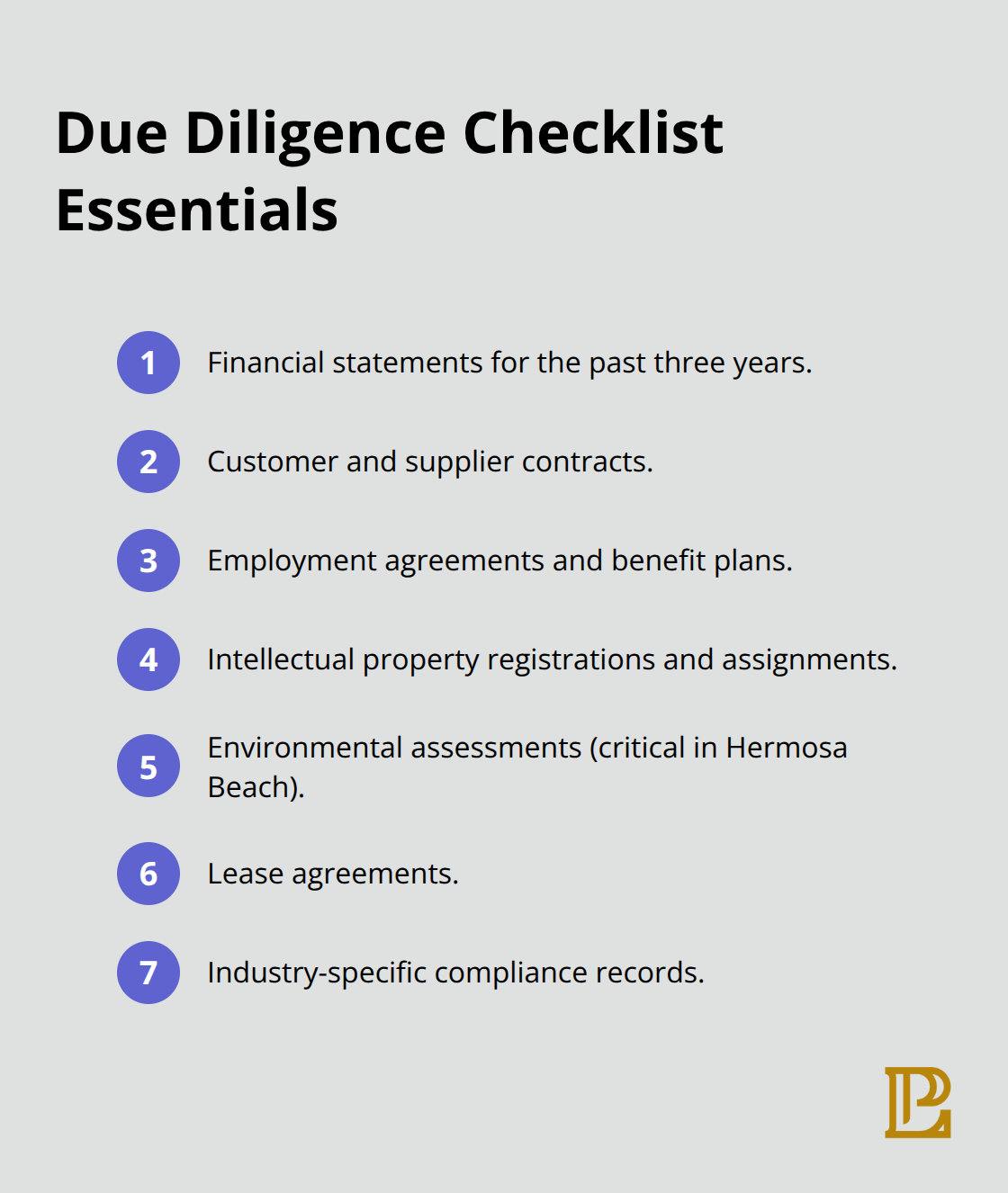
Due diligence takes time. A typical window runs 60–90 days, and that’s only if you’re organized and your target cooperates. Most Hermosa Beach business owners want to close faster, so they compress due diligence into 30 days or skip entire categories to save time. This decision haunts them later. Thorough due diligence covers financial records, contracts with customers and suppliers, employment practices, environmental assessments, title searches, intellectual property ownership, and compliance records. Missing even one category exposes you to liabilities of $200,000–$500,000 or more, particularly in California where environmental liability and employee claims create real exposure. A qualified attorney should lead the due diligence process, not a CPA alone. Accountants catch financial problems, but they don’t catch successor liability for seller debts, hidden employment claims, or IP disputes. In California, you need someone reviewing employment contracts for misclassification risks and environmental records for coastal property liabilities. If you’re buying a business, push for access to all records early and build realistic timelines into your deal schedule. If you’re selling, clean up contracts and records before the buyer asks so diligence moves faster and discovers fewer problems.
Indemnification Clauses That Leave You Exposed
Indemnification sounds technical, but it’s just risk allocation. When something goes wrong after closing, who pays-the seller or the buyer? Your indemnification clause answers this question, and vague language means you pay for problems that aren’t your fault. Many agreements use boilerplate language that sounds protective but leaves massive gaps. A solid indemnification clause specifies exactly what the other party is responsible for, sets dollar thresholds and survival periods, and defines the process for making claims. Survival periods matter enormously. If the seller’s reps survive for only 12 months, you as the buyer have one year to discover and report any breach. After that, you’re stuck. California deals often include 18–24 month survival periods for general reps and longer periods for tax and environmental matters. The escrow mechanism ties directly to indemnification (when 15–20% of the purchase price sits in escrow, that money answers indemnification claims before the seller’s personal assets do). Without clear indemnification language, post-closing disputes escalate into costly litigation instead of being resolved through escrow releases or negotiated settlements. Spend time negotiating this section with a business attorney who understands California law and your industry.
When Buyer and Seller Live in Different Realities
Price disagreement is obvious and painful, but the deeper problem is misaligned expectations about deal structure, risk allocation, and what happens after closing. The buyer wants an asset purchase to avoid inheriting the seller’s past liabilities. The seller wants a stock sale to avoid tax complications. Neither side has clearly stated this preference before negotiations begin, and both sides feel ambushed when it surfaces. Similarly, the seller assumes the buyer will keep the business largely unchanged and retain key employees. The buyer plans significant operational changes and staff reductions. These conversations need to happen during term sheet negotiations, not after signing the purchase agreement. Early communication about deal structure, valuation basis, and post-closing plans prevents renegotiations that damage relationships and delay closing. In preliminary negotiations, clearly define whether you’re doing an asset or stock sale, how the purchase price is calculated, and what integration or operational changes the buyer plans. If the seller will stay on post-closing, negotiate the employment arrangement and compensation separately from the purchase price. If certain employees are critical to the deal’s success, discuss retention and non-solicitation provisions upfront (these conversations feel uncomfortable, but they’re vastly cheaper than discovering misalignment after signing). The next section covers the best practices that help you navigate these pitfalls and move your deal toward a successful close.
How to Protect Your Interests During Merger Negotiations
Bring Legal Counsel Into the Process Early
Problems that surface after closing cost far more than handling them upfront. The most successful Hermosa Beach business owners treat merger negotiations as a three-phase operation: involve legal counsel before you commit to anything, run a methodical due diligence process with clear timelines and responsibilities, and structure payment terms that protect both sides if unexpected issues emerge post-closing. Most business owners treat the attorney as a formality near the end rather than a strategist from the beginning. When you involve a business attorney early, during term sheet discussions, that attorney shapes the fundamental deal structure before positions harden.
An attorney who understands California merger law can tell you whether an asset or stock purchase makes sense for your situation, what survival periods you should negotiate for representations and warranties, and which escrow percentages are market standard for your industry. The Federal Trade Commission now takes about 120 days to review deals above $50 million, so your attorney needs to flag regulatory considerations early enough to build those timelines into your schedule. Many deals slip into crisis mode simply because nobody mapped out the FTC review process or other regulatory approvals until weeks before the target closing date.
Your attorney should also identify California-specific risks upfront. Coastal property liabilities, employee misclassification exposure, and successor liability for seller debts are not theoretical concerns-they reshape deal economics. Getting these on the table early lets you price them into the purchase price or structure the deal to minimize them rather than discovering them mid-diligence and fighting about who bears the cost.
Structure a Methodical Due Diligence Process
Due diligence without a structured process becomes a chaotic document dump that wastes time and misses critical problems. Set a 60–90 day due diligence window and assign clear responsibility: the seller’s attorney provides financial records and contracts, the buyer’s attorney reviews them for legal risks, and both sides’ accountants analyze the numbers. Create a due diligence checklist that covers financial statements for the past three years, customer and supplier contracts, employment agreements and benefit plans, intellectual property registrations and assignments, environmental assessments (especially important in Hermosa Beach), lease agreements, and compliance records for your industry.
If your business involves real estate, title searches and environmental reports aren’t optional-they’re prerequisites that can uncover liabilities costing $200,000–$500,000 or more. A qualified business attorney leading this process catches issues an accountant alone will miss: employment law exposures, IP disputes, and contract language that triggers liability under California law. Once diligence is underway, flexibility on payment terms becomes your negotiation tool for bridging the gap between what you discover and what you initially agreed to pay.
Use Escrow and Earn-Out Mechanics to Manage Risk
Escrow mechanics give you flexibility when unexpected issues surface. When 15–20% of the purchase price sits in escrow for 18–24 months, both sides have room to resolve post-closing disputes without litigation. The buyer knows that if environmental problems or customer losses emerge after closing, the escrow funds answer those claims. The seller knows the escrow creates a mechanism for dispute resolution that doesn’t require going to court.
Earn-outs tied to post-closing performance also provide flexibility, but only if the agreement specifies exactly how performance is measured and who controls the variables affecting it. If the buyer controls the variables (like which customers to keep or how to allocate costs), the seller takes on risk that isn’t really risk-it’s the buyer’s decision-making. Structure earn-outs with independent verification of performance metrics and clear caps on how much the seller can lose if the buyer makes poor choices.
Plan Realistic Timelines for the Complete Transaction
In California deals, try for 6–12 months for the complete process from signing to closing, not the 90 days optimistic business owners often hope for. That timeline accounts for regulatory reviews, third-party consents from landlords and key suppliers, and the inevitable complications that emerge during diligence. When you build realistic timelines upfront and involve a business attorney who understands California law from the start, you transform merger negotiations from a stressful scramble into a manageable process where both sides understand the risks and have addressed them before money changes hands.
Final Thoughts
Merger agreements in California succeed when both sides understand the risks upfront and structure the deal to manage them. The three pillars of purchase price, representations and warranties, and closing mechanics determine whether your deal closes smoothly or collapses into dispute. The pitfalls we’ve covered-rushed due diligence, vague indemnification language, and misaligned expectations-are preventable when you approach negotiations methodically and involve the right people from the start.
The business owners who navigate mergers agreements California most successfully treat legal guidance as a strategic investment, not an afterthought. When you bring a business attorney into term sheet discussions rather than waiting until documents need signing, that attorney shapes the deal structure before positions harden. When you run a structured 60–90 day due diligence process with clear responsibilities and realistic timelines, you discover problems early enough to adjust the purchase price or deal structure rather than fighting about them post-closing.
Reach out to Pierview Law before you commit to anything, and a conversation early in the process can clarify your options and identify risks specific to your deal. We help Hermosa Beach business owners understand whether an asset or stock purchase makes sense for your situation and structure payment terms that protect your interests. Contact us to discuss your merger or acquisition and set yourself on a path toward closing with confidence.