
California’s commercial real estate market is moving fast, and commercial real estate investors who understand the landscape can find real opportunities. The state’s diverse regions-from Los Angeles County to coastal areas like Hermosa Beach-each offer different advantages and challenges.
At Pierview Law, we’ve guided investors through the legal complexities that come with these deals. This guide walks you through market trends, evaluation metrics, and the legal protections you need to make confident investment decisions.
California’s Commercial Real Estate Market Is Shifting-Here’s What Investors Need to Know
The State Remains a Prime Investment Target Despite Market Tightening
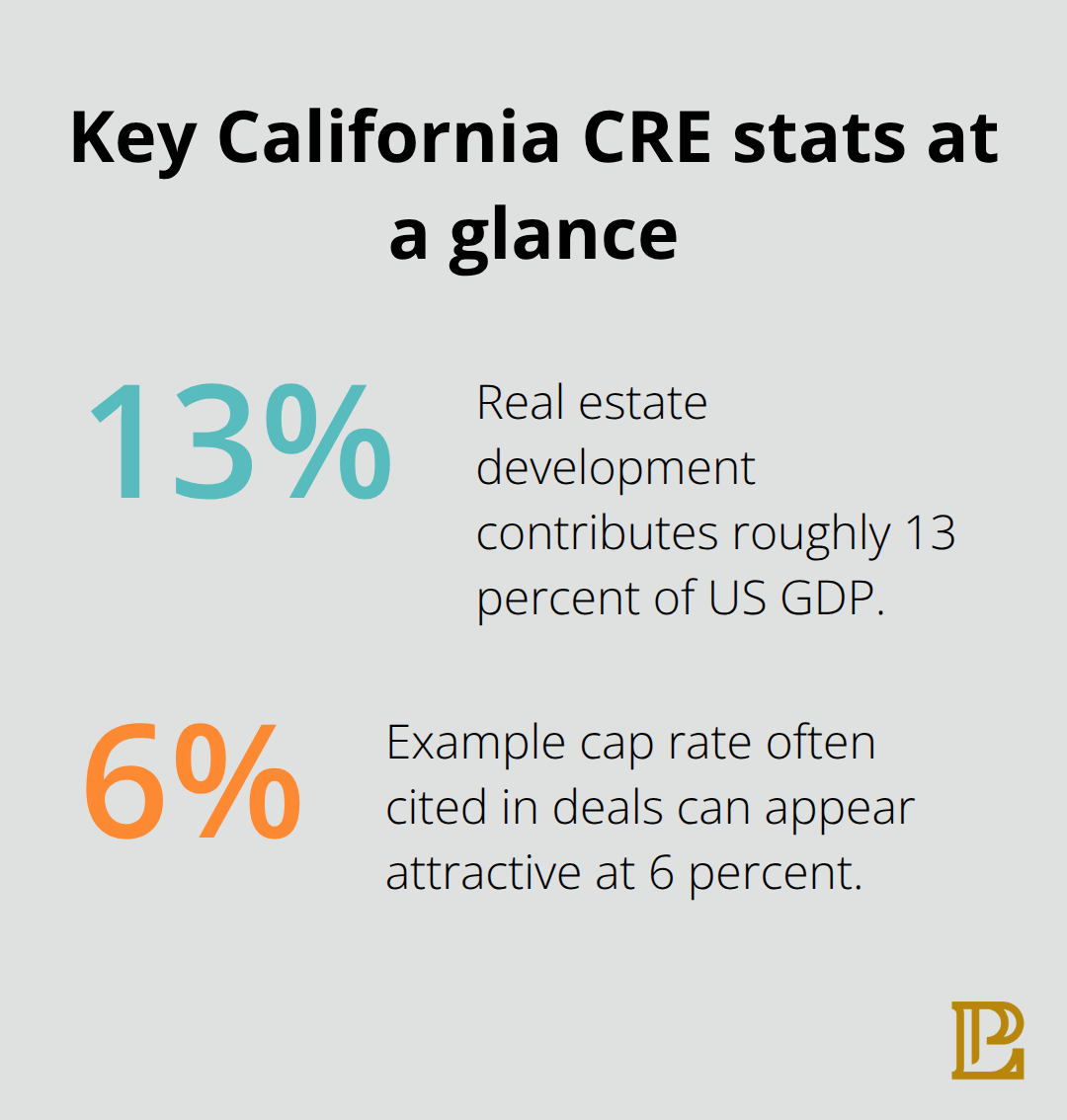
California’s commercial real estate market is tightening, and investors who move now will capture the best deals before competition intensifies. Real estate development contributes roughly 13 percent of US GDP, and California remains the epicenter for commercial investment despite recent interest rate volatility. Coastal markets like Hermosa Beach are experiencing renewed interest as companies relocate operations and investors hunt for value-add opportunities in established communities with strong fundamentals.
Los Angeles County Shows Divergent Performance Across Submarkets
Los Angeles County spans from downtown urban cores to beach towns, and performance varies significantly across submarkets. Office vacancy rates in traditional business districts have climbed above pre-pandemic levels in some areas, but mixed-use developments that blend residential, retail, and office space are filling faster because they serve multiple tenant demand streams. Hermosa Beach’s IN-THE-ZONE zoning update, with Phase I completed on May 27, 2026, signals that municipalities are actively removing regulatory friction to attract investors.
Zoning Changes Create a Window for Early Movers
The city’s Commercial Use Regulations and Definitions studies, rolling out through 2026-2027, will expand what uses are permitted on commercial parcels and streamline approvals-a direct advantage for investors who act during the transition period. Properties zoned for flexible, mixed-use development will command premium pricing as the regulations solidify, so securing assets before final ordinance adoption locks in current valuations and reduces future uncertainty costs.
Remote Work Reshapes Tenant Demand and Creates New Opportunities
Remote work has fractured traditional office demand but created unexpected retail and service opportunities. Tenants no longer need sprawling downtown floors; instead, they want smaller, distributed offices near residential neighborhoods where employees prefer to work. This shift devastates vacant suburban office parks but supercharges demand for ground-floor retail, coworking hubs, and service-oriented businesses in walkable, mixed-use settings.
Hermosa Beach’s certified Housing Element and ongoing rezoning to increase residential supply will drive nearby demand for retail, cafes, gyms, and professional services. Investors who reposition underperforming office or retail space into these high-demand tenant categories capture higher rents and faster lease-up cycles. Pop-up retail and temporary use regulations, now under review in Hermosa Beach’s zoning update, will enable investors to monetize vacant or underutilized space through seasonal tenants and short-term merchants-generating revenue while waiting for permanent tenants or permanent-use approvals.
Single-Use Properties No Longer Compete
Traditional single-use properties are dead, and mixed-use, flexible spaces aligned with how people actually work and live command the highest returns. The investors winning in California right now understand this fundamental shift and position their portfolios accordingly. As you evaluate specific properties and structure your investments, the legal framework you choose will determine how much liability protection you receive and how efficiently you can execute transactions.
Evaluating Properties: Cap Rates, Zoning, and Hidden Risks
Cap Rate Numbers Hide the Real Story
Cap rates tell only half the story when you hunt for profitable California commercial real estate. A 6 percent cap rate sounds attractive until you realize the property sits in a municipality that takes two years to approve tenant improvements or that zoning restrictions limit your ability to reposition the space. Investors lose thousands in carrying costs because they skip zoning due diligence before acquisition.
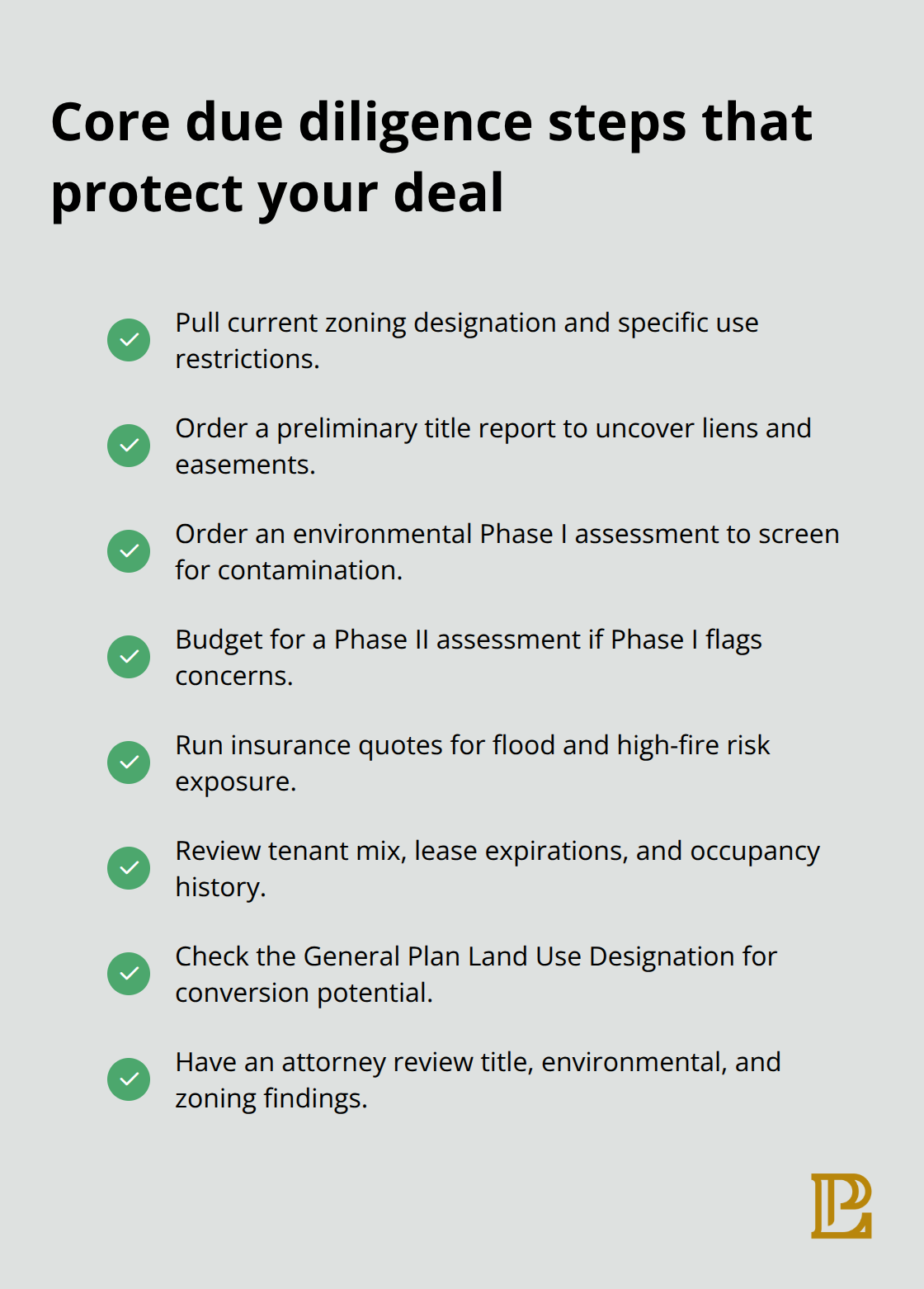
Start your evaluation by pulling the current zoning designation and reviewing the specific use restrictions that apply to the property type you’re considering. In Hermosa Beach, the IN-THE-ZONE update now allows flexibility for mixed-use development and temporary uses that weren’t permitted under the old code. Properties you might have dismissed six months ago could now support higher-value tenants or revenue streams.
Zoning Updates Create Repositioning Opportunities
Check whether the city has posted the final Commercial Use Regulations and Definitions. If Phase II remains in draft form through 2026-2027, you have a narrow window to acquire assets before those regulations lock in and potentially restrict future repositioning. Pull the property’s General Plan Land Use Designation as well; Hermosa Beach is reviewing these designations as part of the zoning update, and properties positioned for residential or mixed-use conversion will appreciate faster than single-use retail or office holdings.
Once you confirm zoning permits your intended use, run the numbers on actual cash flow, not just cap rate. Cap rates assume stable income, but California commercial properties carry real vacancy risk, especially in office submarkets where remote work has fractured traditional demand. Analyze the last three years of tenant occupancy, lease expiration dates, and tenant quality.
Tenant Mix Determines Cash Flow Stability
If your anchor tenant is a struggling retailer or a single-use office operator, your cash flow projections will crater when that lease expires. Mixed-use properties with diversified tenant bases-retail, services, coworking, residential-weather economic downturns better because one struggling category doesn’t collapse your entire income stream.
Title issues and environmental concerns will kill a deal faster than bad zoning. Order a preliminary title report and environmental Phase I assessment before you make an offer; these reports cost two to three thousand dollars combined, but they prevent you from inheriting cleanup liabilities or discovering undisclosed liens after closing.
Environmental and Title Due Diligence Prevents Hidden Liabilities
Environmental Phase I reports identify potential contamination from prior uses-gas stations, dry cleaners, manufacturing facilities all leave chemical residue that can trigger expensive remediation. California’s strict environmental liability rules mean you, as the new owner, inherit cleanup responsibility even if you didn’t cause the contamination. If Phase I flags potential contamination, negotiate a Phase II environmental assessment into the purchase agreement so you can quantify cleanup costs before you commit capital.
Title reports often reveal easements, covenants, or prior liens that restrict how you can use the property or require third-party approval for renovations. A utility easement running through a parking lot might eliminate fifty parking spaces you were counting on; a covenant requiring architectural approval for exterior changes could delay tenant improvements by months. An attorney should review the title report and environmental Phase I before you submit an offer so you understand exactly what restrictions apply and whether they affect your investment thesis.
Climate and Insurance Costs Impact Long-Term Returns
If the property is in a flood zone or high-fire zone, insurance costs will eat into your returns. Run insurance quotes as part of your underwriting, not after closing. Properties in Hermosa Beach near the coast face sea-level rise exposure, which will affect long-term insurability and property values; don’t assume flood insurance will remain affordable or available as climate data updates over your holding period.
Finalize your due diligence before you sign a purchase agreement so you’re buying with full knowledge of zoning constraints, title issues, and environmental liability. Investors who skip these steps or rush them pay the price in unexpected costs, delayed lease-ups, or forced sales at a loss. Once you’ve locked down the property fundamentals and confirmed the deal makes financial sense, the legal structure you choose for ownership will determine your liability exposure and tax efficiency-decisions that require careful planning with an attorney who understands California real estate transactions.
How to Structure Your California Commercial Real Estate Investment for Maximum Protection
Form an LLC Before You Close on the Property
Owning commercial real estate through your personal name exposes your personal assets to lawsuits, environmental claims, and liability from tenant injuries or property damage. This risk alone justifies forming a legal entity before you close on any deal. An LLC has its own tax identification number and separates your personal assets from the investment property, meaning a tenant lawsuit targets the LLC’s assets, not your house or savings. This protection only works if you form the LLC correctly and maintain proper records, so rushing through formation or skipping the operating agreement creates gaps that lawyers exploit to pierce the corporate veil and reach your personal wealth.
The $800 annual California LLC tax fee is negligible compared to the cost of defending a six-figure lawsuit without liability protection. Form your LLC before you make an offer on the property, not after closing, because title must transfer directly into the LLC’s name through a recorded deed. If you own multiple properties, separate LLCs per property limit cross-liability, meaning a claim on one property doesn’t threaten your other holdings.
Keep Residential and Commercial Properties Separate
Many California investors mistakenly place residential and commercial properties in the same LLC, but this creates unnecessary risk exposure and complicates tax planning. Your LLC’s operating agreement should define membership percentages, management authority, buyout provisions, and dissolution procedures so disputes over control or exit don’t paralyze your investment. Banks often require personal guarantees on loans despite your LLC protection, but the LLC still shields you from non-loan-related liabilities like tenant injury claims or environmental cleanup responsibility.
Negotiate Purchase Agreements with Clear Terms
Negotiating purchase agreements and lease terms requires an attorney who understands California commercial real estate because one vague clause can cost you thousands in unexpected repairs or lost revenue. The purchase agreement must clearly define what condition the property transfers in, which tenant improvements the seller completes, and what happens if environmental Phase II testing reveals contamination. Many investors accept seller-drafted agreements to save legal fees upfront, then face disputes when the property has hidden structural damage or the seller claims certain fixtures convey with the building.
Protect Your Cash Flow Through Lease Agreements
Lease agreements protect your cash flow by setting clear renewal terms, rent escalation schedules, and maintenance responsibilities so tenants can’t claim ambiguity when you attempt to enforce provisions. California courts favor tenants in lease disputes, so your lease must explicitly state whether the tenant or landlord pays for repairs, property taxes, insurance, and CAM expenses. Temporary use agreements for pop-up retailers in Hermosa Beach’s new zoning framework require careful drafting because the regulations remain in draft form through 2026-2027, and ambiguous language in your lease could trigger disputes over permitted activities or liability for event-related incidents.
Resolve Disputes Efficiently Through Mediation and Arbitration
If a dispute arises, mediation or arbitration clauses in your agreements can resolve conflicts faster and cheaper than litigation, saving months of discovery costs and court delays. Title issues and zoning restrictions that surface after closing become your problem, so purchase agreements must include contingencies allowing you to exit if due diligence reveals deal-killing constraints. An attorney should review agreements before you sign so you understand every obligation and can negotiate changes that protect your interests before closing locks you in.
Final Thoughts
Commercial real estate investors who act strategically right now will capture opportunities that won’t exist in two years. The market is tightening, zoning regulations are shifting, and properties positioned for mixed-use development will command premium pricing as municipalities finalize their updates. Hermosa Beach’s IN-THE-ZONE initiative demonstrates how regulatory clarity attracts capital and creates windows for early movers who understand the timing.
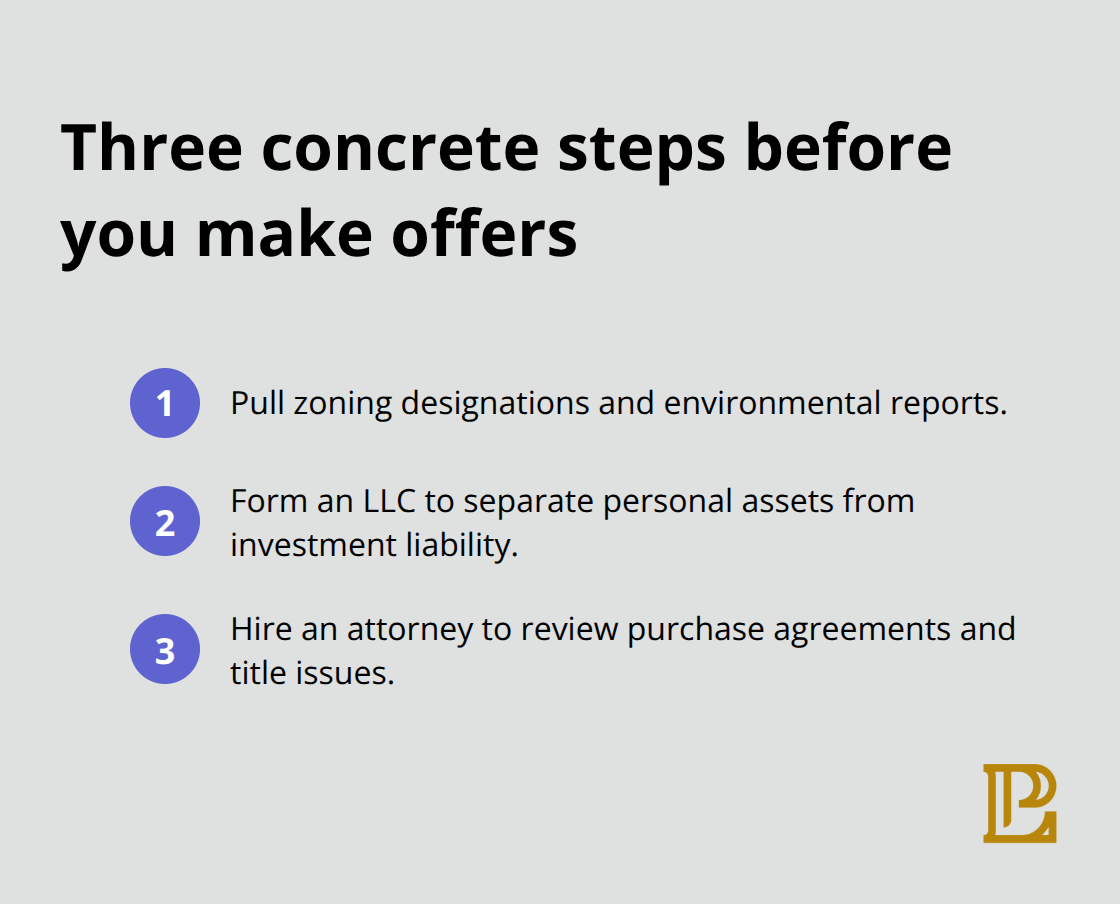
Your path forward requires three concrete steps: pull zoning designations and environmental reports before you make offers, form an LLC to separate personal assets from investment liability, and hire an attorney to review purchase agreements and title issues so you close with full knowledge of what you’re buying. Cap rates and cash flow projections matter, but they mean nothing if you inherit environmental cleanup liability or discover zoning restrictions that kill your repositioning strategy. The legal framework you choose determines whether a tenant lawsuit targets your personal savings or stays contained within your LLC’s assets.
Pierview Law handles entity formation, contract drafting, title review, and lease negotiations for commercial real estate investors throughout Los Angeles County. Their team reviews purchase agreements before you sign, identifies title and zoning issues that affect your investment thesis, and structures your ownership to protect your personal assets from liability. Start your next deal with clear eyes and professional guidance.