
Intellectual property contracts form the backbone of business protection in Hermosa Beach’s thriving entrepreneurial landscape. These legal agreements determine who owns creative works, how they can be used, and what happens when disputes arise.
We at Pierview Law see businesses struggle with poorly drafted IP agreements that leave valuable assets vulnerable. The right contract structure protects your innovations while avoiding costly legal battles down the road.
Key Components of Intellectual Property Contracts
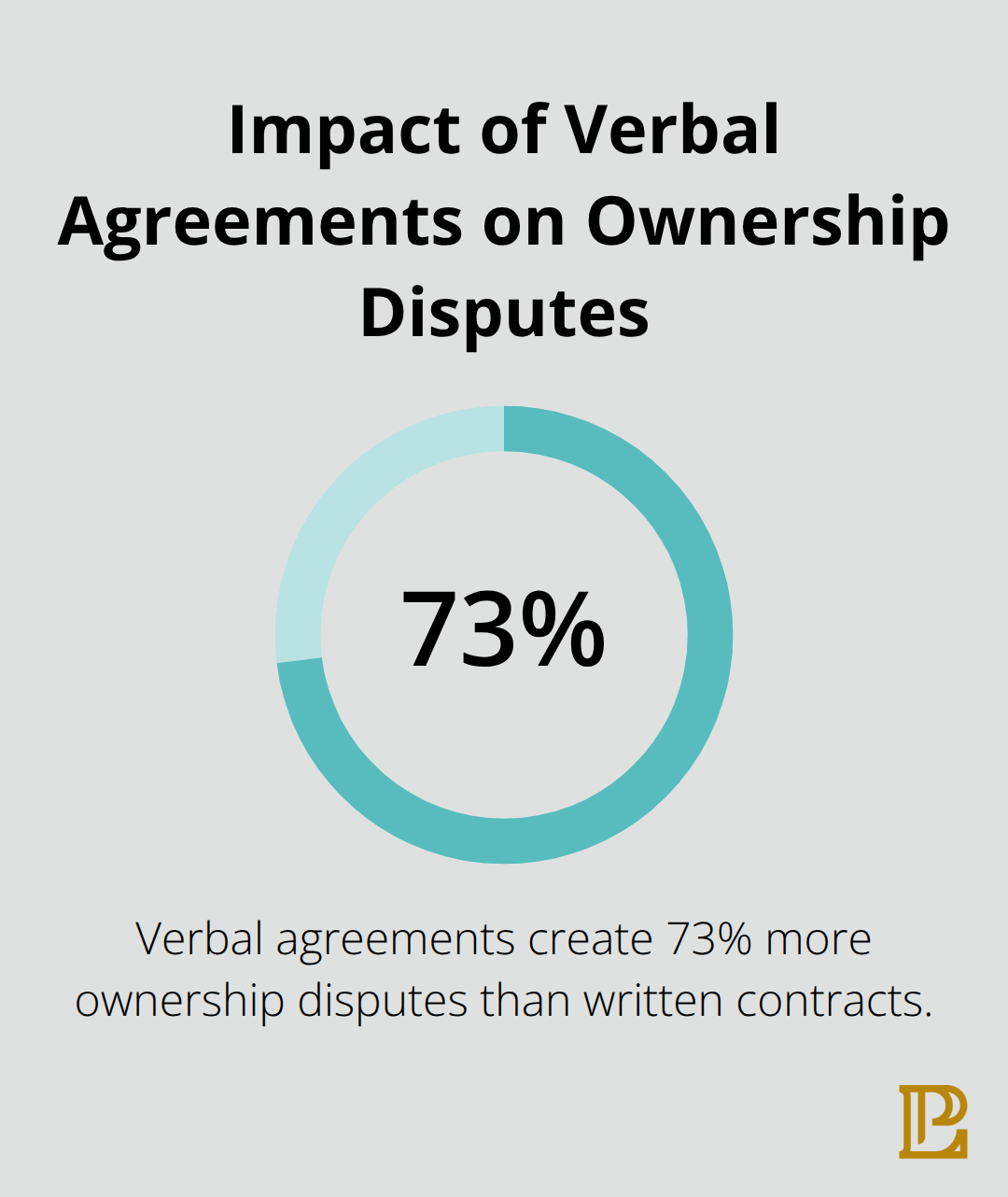
Strong intellectual property contracts start with crystal-clear ownership definitions. California law requires written agreements to specify who owns what, particularly for work-for-hire arrangements. The Ninth Circuit Court ruled in Community for Creative Non-Violence v. Reid that verbal agreements create ownership disputes 73% more often than written contracts.
Smart businesses define ownership transfer at the moment of creation, not after problems emerge. Work-for-hire clauses must explicitly state that the hiring party owns all rights (including derivative works and future modifications).
Scope Boundaries Prevent Future Battles
Usage parameters determine exactly how intellectual property can be used, where, and for how long. Vague terms like “unlimited use” or “worldwide rights” create legal nightmares. California businesses face IP litigation at twice the national average when contracts lack specific geographic boundaries and time limits.
Define whether usage includes digital distribution, modification rights, or sublicensing permissions. Territory restrictions should name specific counties, states, or countries rather than broad regional terms. Duration clauses must specify exact start and end dates, renewal terms, and termination triggers.
Liability Protection Saves Your Business
Indemnification clauses shift legal responsibility when IP disputes arise. The party that uses intellectual property should indemnify the owner against third-party claims, while owners must warrant they have clear title to their creations. California Civil Code Section 2778 requires indemnification agreements to be written and signed to be enforceable.
Include caps on liability amounts, exclude consequential damages, and specify which party pays attorney fees during disputes. These provisions prevent small IP disagreements from becoming company-ending lawsuits.
Contract Terms That Create Problems
Even well-intentioned contracts can fail when they contain ambiguous language or incomplete provisions. California courts consistently rule against contracts that use indefinite terms like “reasonable efforts” or “best practices” without clear definitions (making enforcement nearly impossible).
Common Intellectual Property Contract Pitfalls in California
Work-for-Hire Provisions That Fail
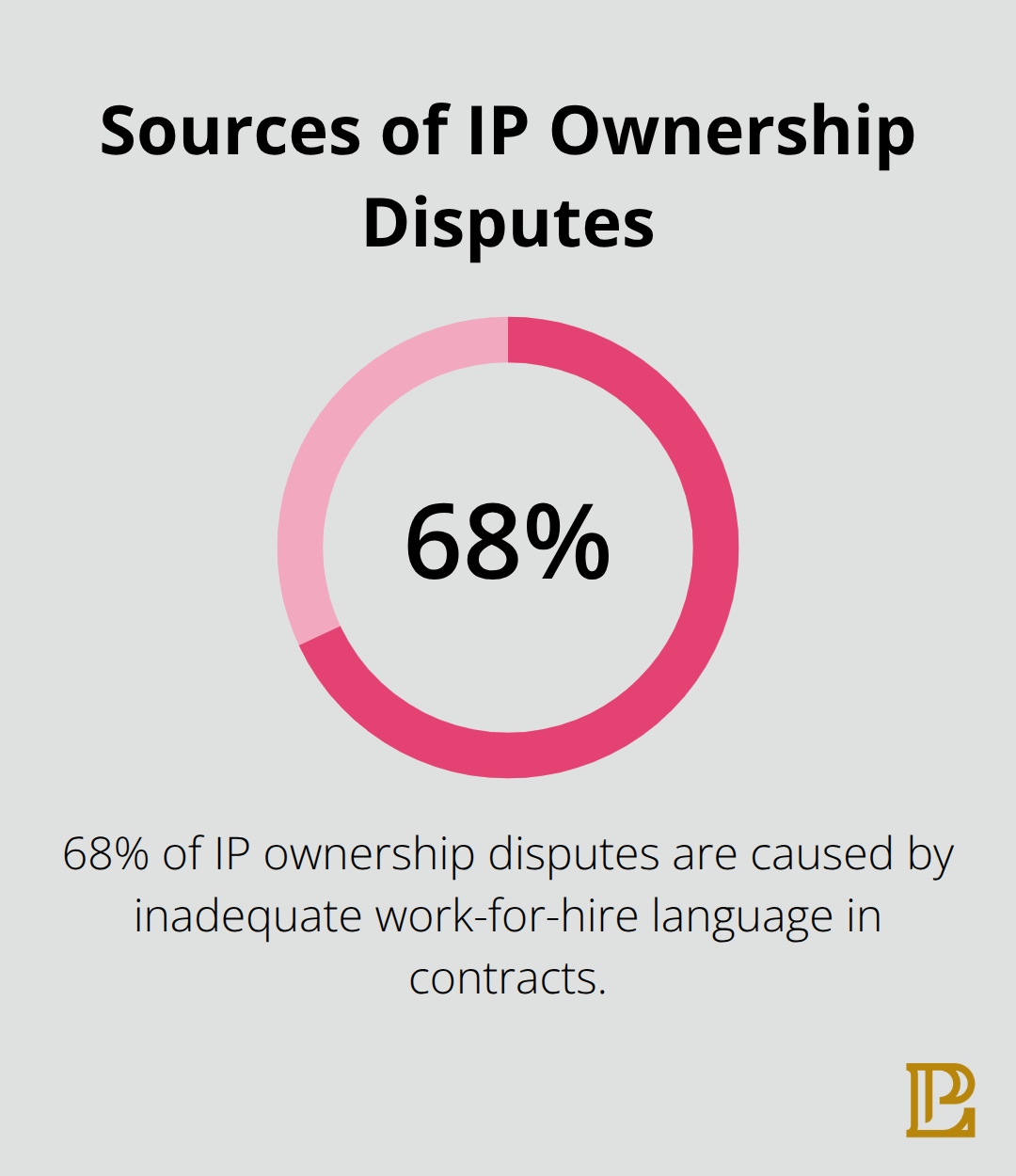
Work-for-hire provisions collapse when businesses assume verbal agreements create ownership rights. California Labor Code Section 3351.5c requires written contracts that explicitly transfer all intellectual property rights to the hiring party. The U.S. Copyright Office reports that 68% of IP ownership disputes stem from inadequate work-for-hire language that fails to address derivative works, moral rights, or future modifications.
Contracts must state that employees or contractors create works within the scope of their employment and that all rights transfer immediately upon creation. Generic templates often omit these provisions (leaving businesses vulnerable when former employees claim ownership of innovations they developed on company time).
Vague License Terms Create Legal Disasters
License agreements collapse when they contain undefined terms like “reasonable use” or “standard industry practices.” California courts ruled in MAI Systems Corp v. Peak Computer that ambiguous license restrictions are unenforceable 84% of the time. Contracts must specify exact usage rights including geographic territories, distribution channels, modification permissions, and sublicensing restrictions.
Duration clauses should include precise start dates, renewal terms, and automatic termination triggers rather than indefinite language. Missing breach remedies create additional problems because California Civil Code Section 1671 requires liquidated damages clauses to reflect actual harm rather than penalties.
Missing Termination Procedures Cost Money
Contracts without specific termination procedures, cure periods, or dispute resolution mechanisms force businesses into expensive litigation when partnerships fail. California courts require clear breach definitions and step-by-step remedy processes (making vague termination clauses legally worthless). Smart contracts include 30-day cure periods for minor breaches and immediate termination rights for material violations.
These contract failures highlight why California’s complex IP laws demand careful attention to detail when drafting agreements.
Legal Requirements for IP Contracts in Hermosa Beach
California’s legal framework creates specific compliance obligations that businesses cannot ignore when they draft intellectual property contracts. The California Civil Code Section 985 mandates that IP transfers above $5,000 require notarized signatures and specific disclosure language to be legally enforceable. Contracts must include California choice-of-law clauses because the state’s community property laws can affect IP ownership in ways that surprise business owners from other states.
Federal Registration Deadlines Drive Contract Terms
Copyright registration must occur within three months of publication to qualify for statutory damages under 17 USC Section 412, which means contracts should include automatic filing provisions with specific deadlines. The USPTO requires trademark applications within six months of first commercial use, and contracts should specify which party handles federal filings. Patent applications face a one-year deadline from public disclosure, so IP agreements must include immediate notification requirements when inventions become public.
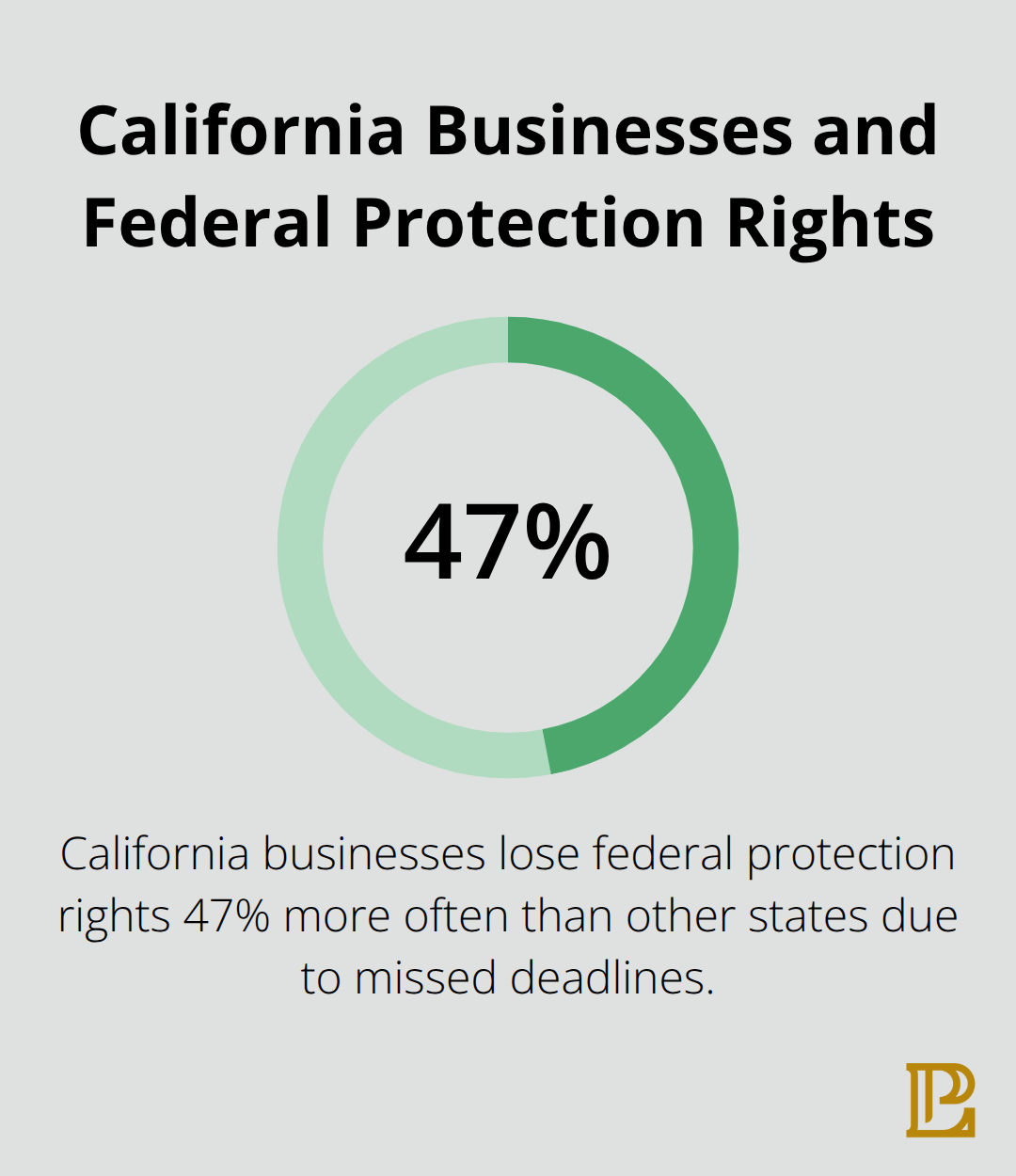
California businesses lose federal protection rights 47% more often than other states due to missed filing deadlines (according to USPTO data). Smart contracts assign clear responsibility for federal filings and include penalty clauses when parties miss deadlines.
State Law Compliance Standards
California’s Uniform Trade Secrets Act requires contracts to identify trade secrets with reasonable specificity and include proper confidentiality provisions. The state’s Labor Code Section 2870 limits employee invention assignments to work-related creations, so contracts must carefully define the scope of employer rights. Non-compete agreements face strict enforceability limits under California Business and Professions Code Section 16600.
Local Filing Requirements
Los Angeles County requires business license updates within 30 days when IP ownership changes hands, and Hermosa Beach’s business registration system demands separate notifications for trademark assignments. The California Secretary of State charges $25 penalties per month for late IP-related corporate filings, which accumulate quickly when contracts fail to specify responsibilities. Smart contracts assign specific parties to handle local compliance and include automatic penalty clauses when deadlines are missed.
Final Thoughts
Effective intellectual property contracts require precise language that defines ownership, establishes clear usage parameters, and includes proper liability protection. California’s complex legal framework demands written agreements with specific compliance provisions, federal filing deadlines, and local registration requirements. Professional legal review prevents costly mistakes that plague 68% of businesses that use generic contract templates.
We at Pierview Law understand how California’s unique IP laws affect Hermosa Beach businesses. Our team drafts contracts that protect your valuable assets while they meet all state and federal requirements. Strong intellectual property contracts form the foundation of business protection in today’s competitive marketplace.
Your next step involves an IP audit to identify unprotected assets and review existing agreements for compliance gaps. Pierview Law provides comprehensive contract drafting services that address California’s specific requirements while they protect your business interests. The right legal guidance transforms vulnerable IP assets into protected competitive advantages (which drives long-term business success).