
Hermosa Beach businesses face growing intellectual property risks that can devastate operations and competitive advantages. From trade secret theft to patent disputes, local companies lose millions annually to IP violations.
We at Pierview Law see these challenges daily in our practice. Smart business owners take proactive steps to protect their valuable assets before problems arise.
What IP Risks Threaten Hermosa Beach Businesses
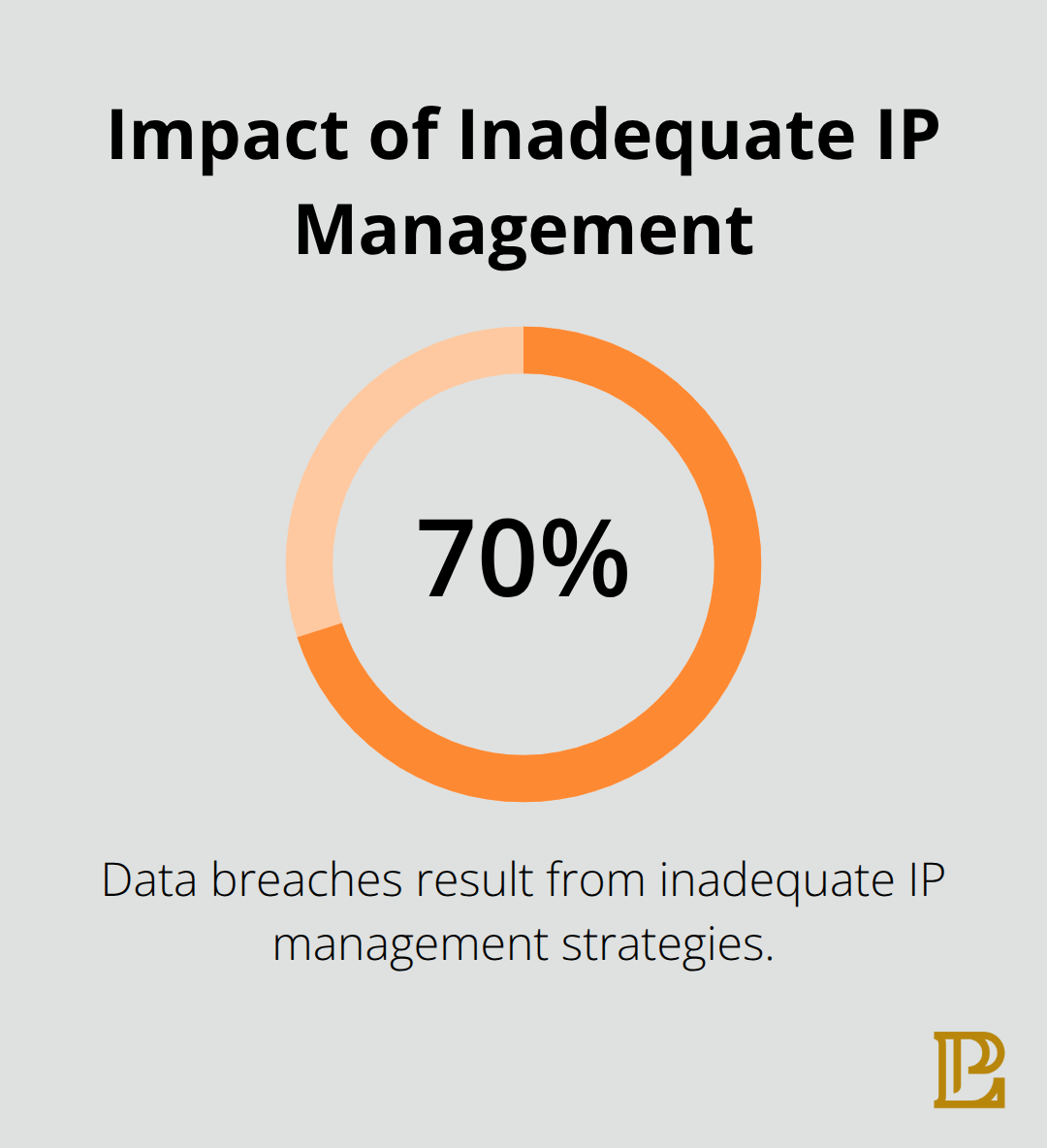
Hermosa Beach businesses confront three major intellectual property vulnerabilities that drain profits and destroy competitive advantages. Trade secret theft leads these threats, with the American Intellectual Property Law Association reporting that 70% of companies experience significant business strategy impacts from IP violations. Local tech startups and creative agencies lose proprietary algorithms, client lists, and marketing strategies when employees move to competitors without proper exit procedures. The Verizon Data Breach Investigations Report reveals that 70% of data breaches result from inadequate IP management strategies, which makes confidential information exposure a constant threat for businesses that operate in our competitive coastal market.
Employee Departure Threats
Departing employees create the highest risk for trade secret theft in Hermosa Beach companies. California’s Uniform Trade Secrets Act allows businesses to seek injunctions before actual harm occurs, but only when proper documentation exists. Companies must implement exit procedures that require written acknowledgment of confidentiality obligations and monitor download activity in employees’ final weeks. The Zendar Inc. v. Hanks case shows how proof of intent to misuse secrets strengthens legal positions significantly.
Patent Violation Exposure
Technology and creative businesses in Hermosa Beach face patent violation risks that can trigger costly litigation. Companies that launch new products without patent searches risk lawsuits from competitors who hold similar intellectual property rights. The United States Patent and Trademark Office reports that businesses who seek legal advice only after disputes arise face 70% higher resolution costs than those who consult attorneys during product development phases (compared to proactive consultation strategies).
Copyright and Trademark Vulnerabilities
Creative businesses face copyright theft when competitors copy original works without permission. Trademark disputes arise when companies use similar brand elements that confuse customers in the marketplace. California registration provides additional remedies beyond federal protection, but many businesses skip this step and leave themselves exposed to local competitors who file first.
These risks demand immediate attention through comprehensive protection strategies that address each vulnerability systematically.
How Do You Shield Business Assets from IP Theft
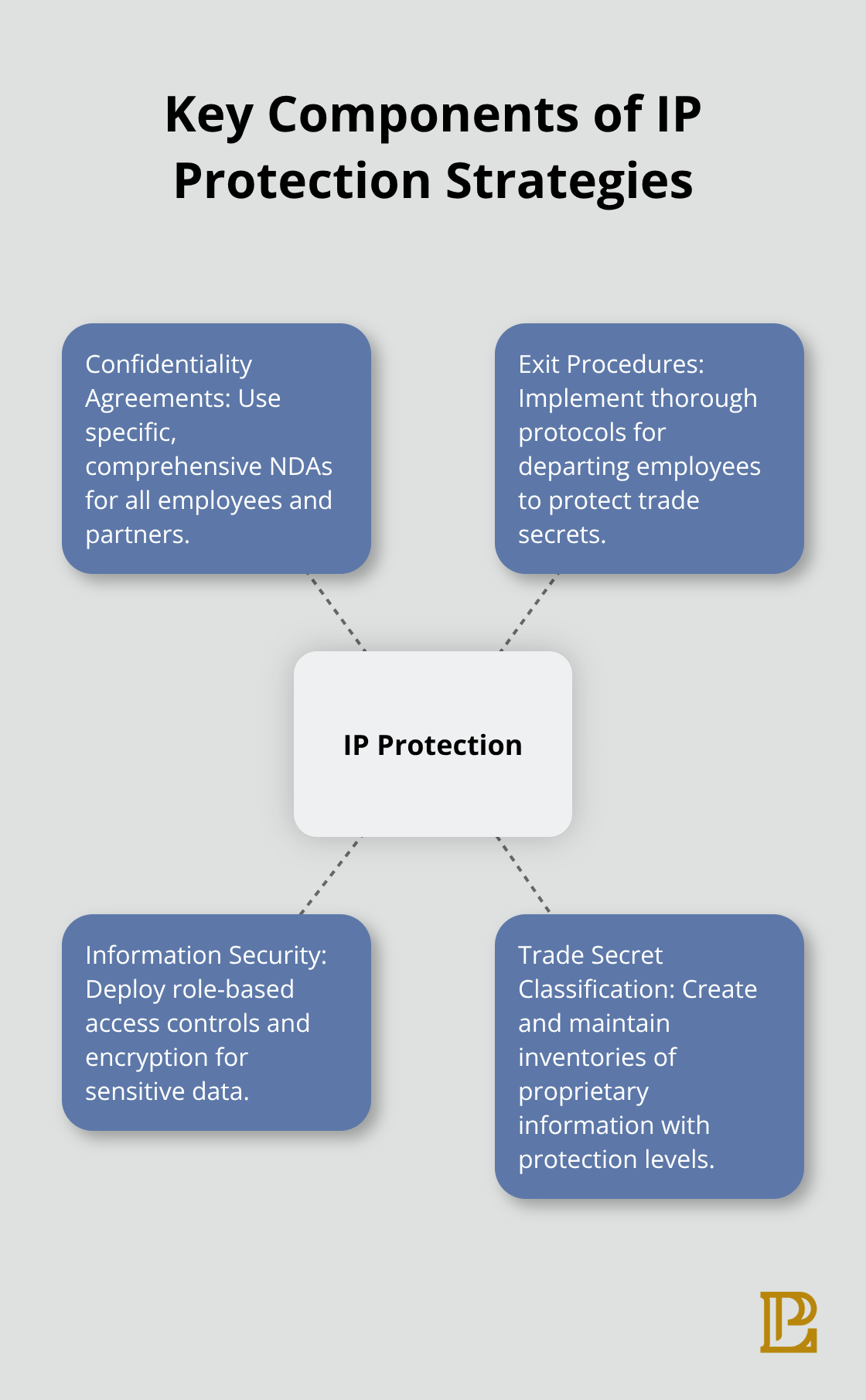
Strong confidentiality agreements form the foundation of IP protection, yet most Hermosa Beach businesses use outdated templates that courts routinely dismiss. Effective agreements must define confidential information specifically, include all forms of intellectual property from customer lists to proprietary processes, and establish clear penalties for violations. California’s Uniform Trade Secrets Act requires businesses to prove they took reasonable steps to maintain secrecy, which means generic NDAs fail in litigation. Companies should require all employees, contractors, and business partners to sign comprehensive agreements before they access any sensitive information. The agreement must specify return obligations for all confidential materials and include provisions that allow companies to track compliance after employment ends.
Exit Procedures That Actually Work
Departing employee protocols determine whether businesses keep their trade secrets or lose them to competitors. Companies must implement written exit procedures that require employees to acknowledge their ongoing confidentiality obligations and return all company devices, documents, and access credentials. The Bank of America NA v. Immel case demonstrates how companies that monitor employee download activity in final weeks strengthen their legal positions significantly. Businesses should disable system access immediately upon resignation notice and conduct exit interviews that document returned materials. Written acknowledgments create legal evidence that courts favor when companies seek injunctions against former employees who join competitors.
Information Security Systems
Digital security systems protect intellectual property from both internal theft and external attacks. Companies must implement role-based access controls that limit sensitive information to employees who need it for their specific job functions (based on their actual responsibilities). Regular security audits identify vulnerabilities before criminals exploit them, and employee monitoring software tracks unusual download patterns that signal potential theft. Businesses should encrypt all confidential files, use secure cloud storage with access logs, and maintain backup systems that preserve evidence for potential litigation. The most effective approach combines technical safeguards with clear policies that employees understand and follow consistently.
Trade Secret Classification
Businesses must identify and classify their trade secrets before they can protect them effectively. Companies should create written inventories that list all proprietary information, from manufacturing processes to customer databases. Each trade secret requires specific protection measures that match its value and sensitivity level (with higher-value secrets receiving stronger safeguards). Regular reviews help businesses update their classifications as they develop new intellectual property or retire outdated information. This systematic approach provides the documentation that California courts require when businesses seek legal remedies for trade secret theft.
These protection strategies work best when combined with regular legal audits that identify gaps in your current IP management system.
What Legal Strategies Protect Your IP Assets
Systematic intellectual property audits reveal vulnerabilities that cost Hermosa Beach businesses millions in lost revenue and legal fees. Companies should conduct quarterly IP assessments that catalog all trademarks, copyrights, patents, and trade secrets while they identify gaps in protection. The United States Patent and Trademark Office data shows that businesses who conduct regular audits face 60% fewer infringement disputes than reactive companies. Effective audits document creation dates, usage scope, and registration status for each asset while they track renewal deadlines and monitor competitor activities. Companies must assign IP audit responsibilities to specific team members and maintain detailed records that courts accept as evidence during litigation. Smart businesses hire attorneys to review audit findings and recommend immediate protection steps for high-value assets.
Registration Timing Determines Protection Strength
Federal trademark and copyright registration provides stronger legal remedies than common law protection, yet most Hermosa Beach businesses delay filing until competitors threaten their market position. Companies should file trademark applications within 90 days of first commercial use and register copyrights for all original creative works immediately upon creation. California state trademark registration adds local protection layers that federal registration cannot provide (especially for service businesses that operate primarily within state boundaries). The Madrid Protocol enables international trademark protection for businesses that plan expansion beyond California markets. Registration costs represent minimal investments compared to litigation expenses, with trademark applications costing $250-$400 per class and copyright registration fees starting at $45 per work. Businesses that register early establish priority dates that strengthen their positions against later applicants who claim similar rights.
Response Plans Stop Small Problems from Becoming Lawsuits
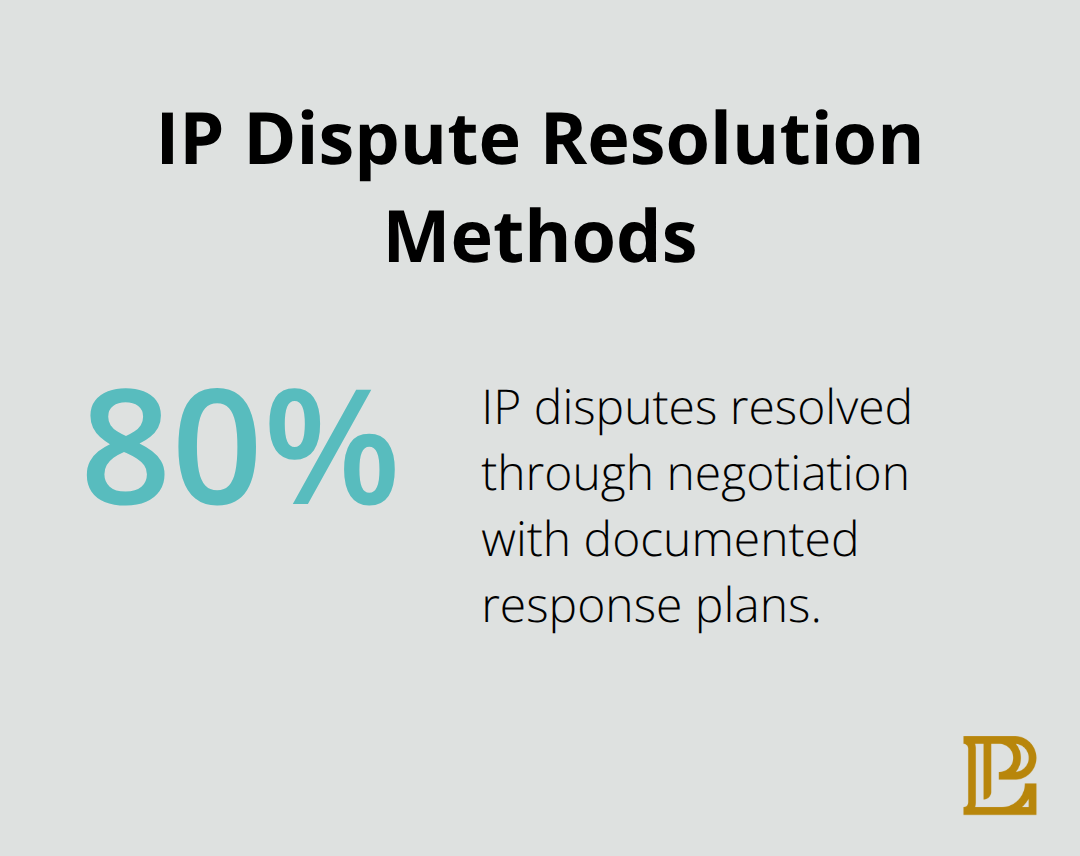
Immediate response protocols determine whether IP violations result in quick settlements or expensive court battles. Companies must develop written response procedures that include evidence collection steps, legal team contact information, and escalation timelines for different violation types. The Defend Trade Secrets Act allows businesses to seek emergency court orders within hours of discovering theft, but only when companies have documented response plans and proper evidence. Effective plans designate specific employees to handle cease-and-desist letters, coordinate with attorneys, and preserve digital evidence before it disappears. Businesses should maintain template documents for common violations and establish relationships with litigation attorneys before problems arise (companies with documented response plans resolve 80% of IP disputes through negotiation rather than costly court proceedings).
Monitoring Systems Detect Violations Early
Active monitoring systems catch IP violations before they cause significant damage to business operations. Companies should implement watch services that track trademark applications and domain registrations that might conflict with their brands. Digital monitoring tools scan online platforms for unauthorized use of copyrighted materials and trademark violations across social media and e-commerce sites. Businesses must establish regular search schedules that check competitor activities and new product launches that might infringe on their patents. Early detection allows companies to send cease-and-desist letters before violations become widespread market problems. The most effective monitoring combines automated tools with manual reviews that catch subtle infringements that software might miss.
Final Thoughts
Hermosa Beach businesses cannot afford to ignore intellectual property risks that threaten their competitive advantages and revenue streams. The data shows clear patterns: companies that implement proactive IP protection strategies face significantly fewer disputes and lower resolution costs than reactive businesses. Smart business owners take immediate steps to minimize their exposure through comprehensive audits, robust agreements, and active monitoring systems.
The most successful companies treat IP protection as an ongoing business process rather than a one-time legal task. They register trademarks and copyrights early, maintain detailed documentation, and develop response plans that stop small problems from expensive lawsuits. These businesses understand that intellectual property risks require constant attention and systematic management approaches.
We at Pierview Law help Hermosa Beach businesses build comprehensive IP protection strategies that align with their specific industry challenges and growth plans (from confidentiality agreements to litigation support when disputes arise). Contact us today to schedule a consultation and protect your valuable intellectual property assets before competitors threaten your market position.