
Starting a business in California means making critical decisions about your legal structure from day one. Entity formation in California shapes everything from your personal liability to your tax obligations and operational flexibility.
We at Pierview Law help Hermosa Beach business owners navigate this process with clarity and confidence. The right entity structure can save you thousands in taxes and protect your personal assets.
Which Business Structure Protects Your Personal Assets and Minimizes Your Taxes
Sole Proprietorships Leave You Vulnerable
Sole proprietorships sound simple, but they expose you to significant personal liability. If your business faces a lawsuit or debt, creditors can come after your personal bank accounts, home, and savings. According to the U.S. Small Business Administration, roughly 21.3 million sole proprietorships operate in the United States, yet many owners don’t realize they’re personally liable for every business obligation. This structure also means no separation between your personal and business finances, which complicates tax reporting and raises red flags during audits. California doesn’t require sole proprietorships to file formal incorporation documents, but that convenience comes at a steep price if something goes wrong.
Partnerships Distribute Risk Unevenly
Partnerships work well when you have multiple owners with aligned goals, but they carry a dangerous flaw. In a general partnership, each partner becomes personally liable for the actions of other partners. If your partner makes a bad business decision or incurs debt, creditors can pursue your personal assets to recover money. Limited partnerships offer some protection to passive investors, but the general partner still carries full liability. California requires partnerships to file a Statement of Partnership Authority with the Secretary of State, though many business owners skip this step and operate informally, which creates legal complications later.
LLCs and Corporations Shield Your Personal Assets
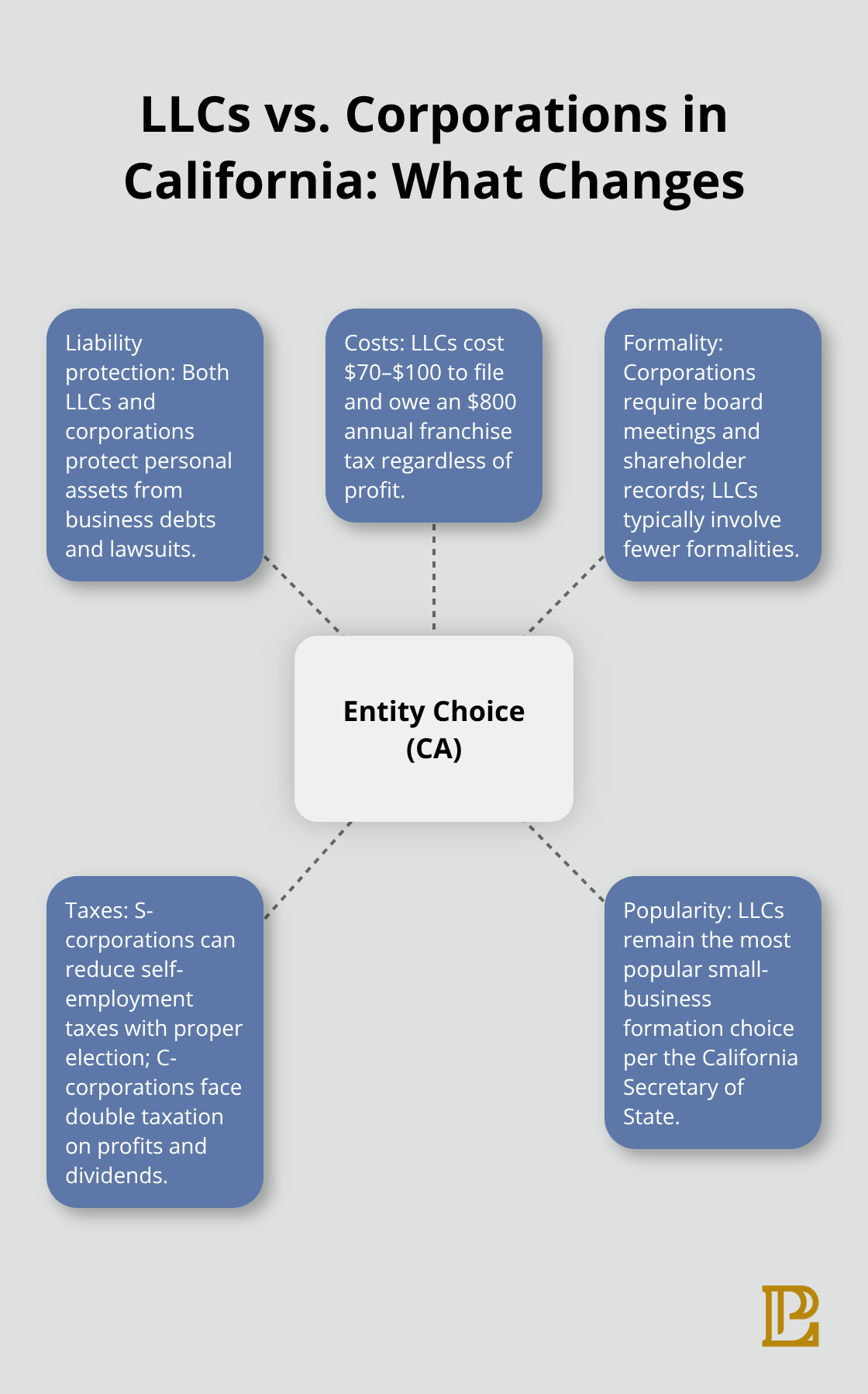
Limited Liability Companies shield your personal assets from business debts and lawsuits. The California Secretary of State reports that LLCs remain the most popular choice for small business formation in the state, and for good reason. You pay a filing fee of $70 to $100 to form an LLC in California, plus an annual $800 minimum franchise tax regardless of profit. Corporations offer similar liability protection but involve more formality through board meetings and shareholder records. The tax treatment differs significantly-S-corporations can reduce self-employment taxes, while C-corporations face double taxation on profits and dividends.
Revenue Level Determines Your Best Structure
A sole proprietor earning $50,000 annually faces different risks than someone running a $500,000 business. Higher revenue means higher exposure, making liability protection increasingly important. LLCs cost roughly $1,500 to $2,500 in total startup fees when you include the franchise tax and business licenses, while corporations run $2,500 to $4,000 depending on your needs. The franchise tax matters too-California’s $800 annual LLC minimum means you pay it even during unprofitable years, but it remains deductible as a business expense. Growth-focused founders often choose corporations because venture investors require this structure, while established service businesses typically find LLCs more practical (especially when the liability protection outweighs the annual tax burden).
Your Formation Choice Shapes Everything That Follows
The entity structure you select today determines how you file taxes, handle compliance, and protect your assets for years to come. This decision also affects what happens next-the actual formation process itself requires specific steps and filings that vary based on your chosen structure.
How to Actually Form Your California Entity
Secure Your Business Name First
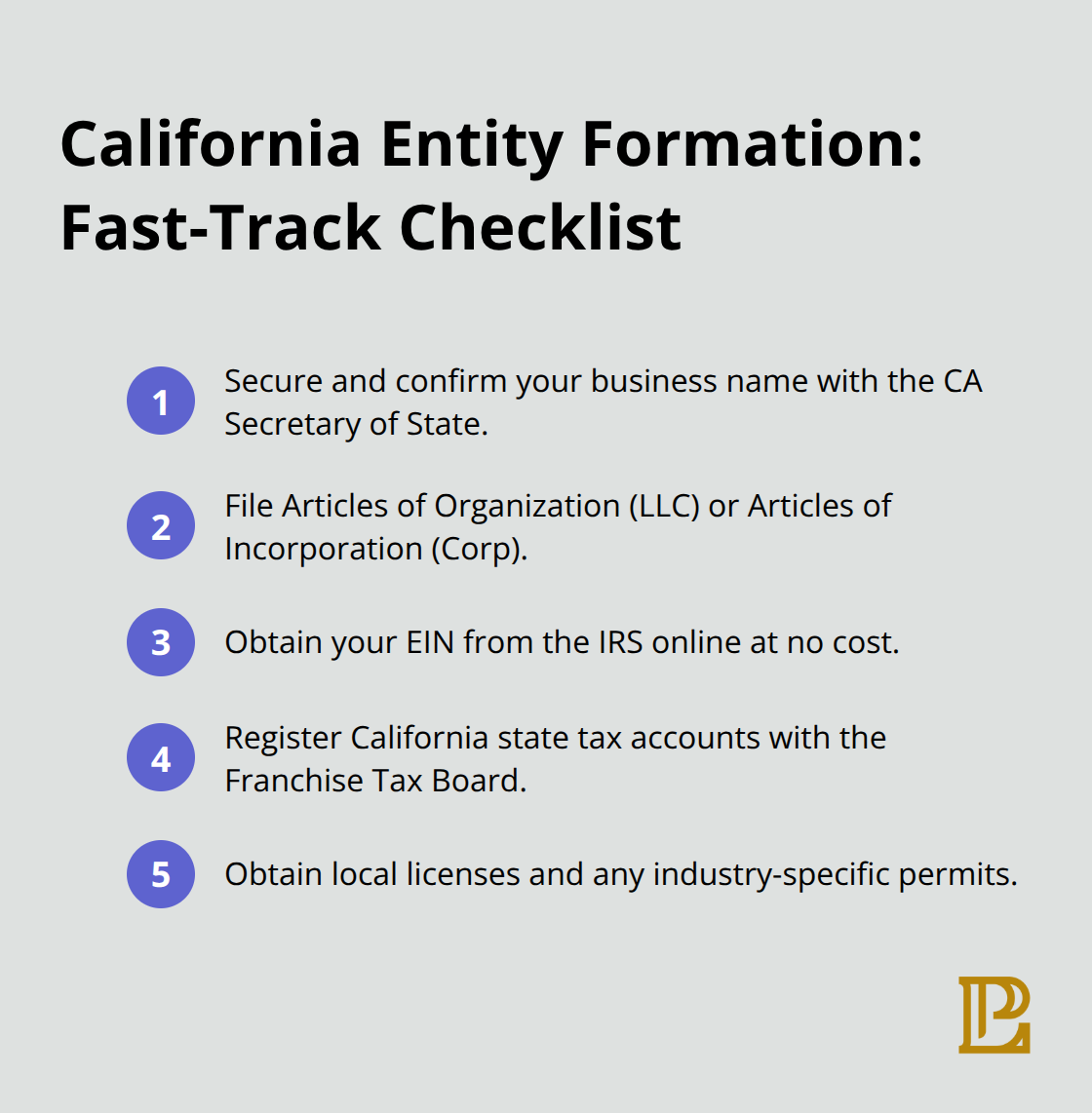
The moment you decide on your business structure, the clock starts ticking on paperwork. Most Hermosa Beach business owners delay this step because they assume it’s complicated, but the actual filing process moves quickly if you know what to do first. Your first real task is securing your business name through the California Secretary of State’s website, which takes about ten minutes and costs nothing. You’ll search the California business database to confirm no one else operates under your desired name, then check the domain availability and social media handles separately because the state database doesn’t cover those.
Many founders discover their perfect business name is taken only after investing in branding, so verify availability across all channels before announcing anything publicly.
File Your Articles of Organization or Incorporation
Once you’ve locked in your name, you need to file either Articles of Organization for an LLC or Articles of Incorporation for a corporation with the Secretary of State. For an LLC, the filing fee runs $70 to $100, and processing takes five to ten business days through standard mail or two to three business days if you file online. The Articles of Organization require basic information: your business name, principal place of business in California, the registered agent’s name and address, and management structure. Corporations demand more detail in their Articles of Incorporation, including information about stock shares and director names, plus a higher filing fee of $125 to $275 depending on authorized shares. After filing, you’ll receive a Certificate of Good Standing from the Secretary of State, which serves as your official proof of entity formation and you’ll need it for the next steps.
Obtain Your EIN and Register for State Taxes
Getting your Employer Identification Number from the IRS happens immediately after filing, and you can apply online at no cost. The EIN is a nine-digit number that functions like a Social Security number for your business, required for hiring employees, opening business bank accounts, and filing tax returns. The online application takes about fifteen minutes and you receive your EIN instantly, though paper applications take four to six weeks. After securing your EIN, you’ll register for California state tax accounts with the Franchise Tax Board if you’re operating as a corporation or LLC, which involves filing Form 3520 or using the online registration system.
Complete Local Licensing and Industry-Specific Requirements
Local business licenses come next and vary significantly by location within Los Angeles County, so contact the Hermosa Beach city clerk’s office for specific requirements and fees, which typically range from $50 to $500 depending on your business type. Some industries require additional permits or licenses before operating legally, such as restaurants needing health department approval or contractors needing state licensing, so verify your specific industry requirements with the appropriate California regulatory board. Don’t open your business bank account until you have your EIN and business license, as banks require these documents to establish a separate account for your entity.
Move Forward With Your Compliance Timeline
Completing this entire sequence before your official launch date prevents compliance headaches that cost far more to fix later than getting it right from the start. Once your entity formation paperwork reaches the Secretary of State and your tax accounts activate with the Franchise Tax Board, you’ll face a new set of obligations that determine whether your business stays compliant and protected for years to come.
What Happens After Your Entity Formation is Complete
Your entity formation doesn’t end when the Secretary of State approves your paperwork. The real work starts immediately after, and many Hermosa Beach business owners face compliance obligations they didn’t anticipate. California imposes specific requirements depending on your entity type, and missing deadlines costs money through penalties and potentially threatens your liability protection.
For LLCs, you’ll pay an $800 annual franchise tax due by March 15th each year, regardless of whether your business turned a profit. Corporations must file annual statements with the Secretary of State by June 30th, and both structures require maintaining detailed business records that prove you’re operating as a legitimate entity separate from your personal finances. The Franchise Tax Board treats these obligations seriously, and late filings trigger penalties that start at $250 and escalate quickly for repeat violations.
Business owners sometimes lose liability protection through sloppy record-keeping and missed deadlines, which defeats the entire purpose of forming an LLC or corporation in the first place. The key is understanding what you actually need to do versus what sounds important but isn’t.
Board Meetings and Bylaws Matter More Than You Think
Corporations require documented board meetings at least annually, and this isn’t just bureaucratic theater. If you ever face a lawsuit, opposing counsel will demand to see your corporate minutes. If they don’t exist or show obvious gaps, a judge may pierce your corporate veil and hold you personally liable for business debts.
You’ll need bylaws that outline how your corporation operates, including voting procedures, director responsibilities, and shareholder rights. Many founders skip this step or use generic templates, but bylaws should reflect your actual operating structure.
LLCs function more flexibly with an operating agreement instead of bylaws, though many Hermosa Beach business owners operate without one and regret it later when disputes arise with partners or investors. Your operating agreement should address profit distribution, voting rights, member exit procedures, and what happens if someone wants to sell their stake.
The operating agreement doesn’t file with the state but stays in your business records as proof of how decisions get made. Without it, California law defaults to rules that may not match your intentions, particularly around profit distribution and management authority.
Annual Filings and Tax Deadlines Require a System
Corporations file a Form 100 California corporate income tax return and a Statement of Information with the Secretary of State by June 30th each year. LLCs file a Form 568 if taxed as a partnership or Form 1120-S if taxed as an S-corporation, plus their own Statement of Information due by March 15th.
Missing these deadlines costs $250 in penalties for the Secretary of State filing and additional penalties from the Franchise Tax Board. Many business owners set calendar reminders in January, then forget by March because they’re focused on running their business.
Create a spreadsheet or use accounting software with automated alerts that flag your filing deadlines sixty days in advance. Your accountant or bookkeeper should track these dates, but ultimately the responsibility lands on you.
Federal tax returns for LLCs and S-corporations are due by March 15th following the tax year, while C-corporations get an additional month until April 15th. California doesn’t provide this extension, so your state return deadline remains earlier than your federal deadline.
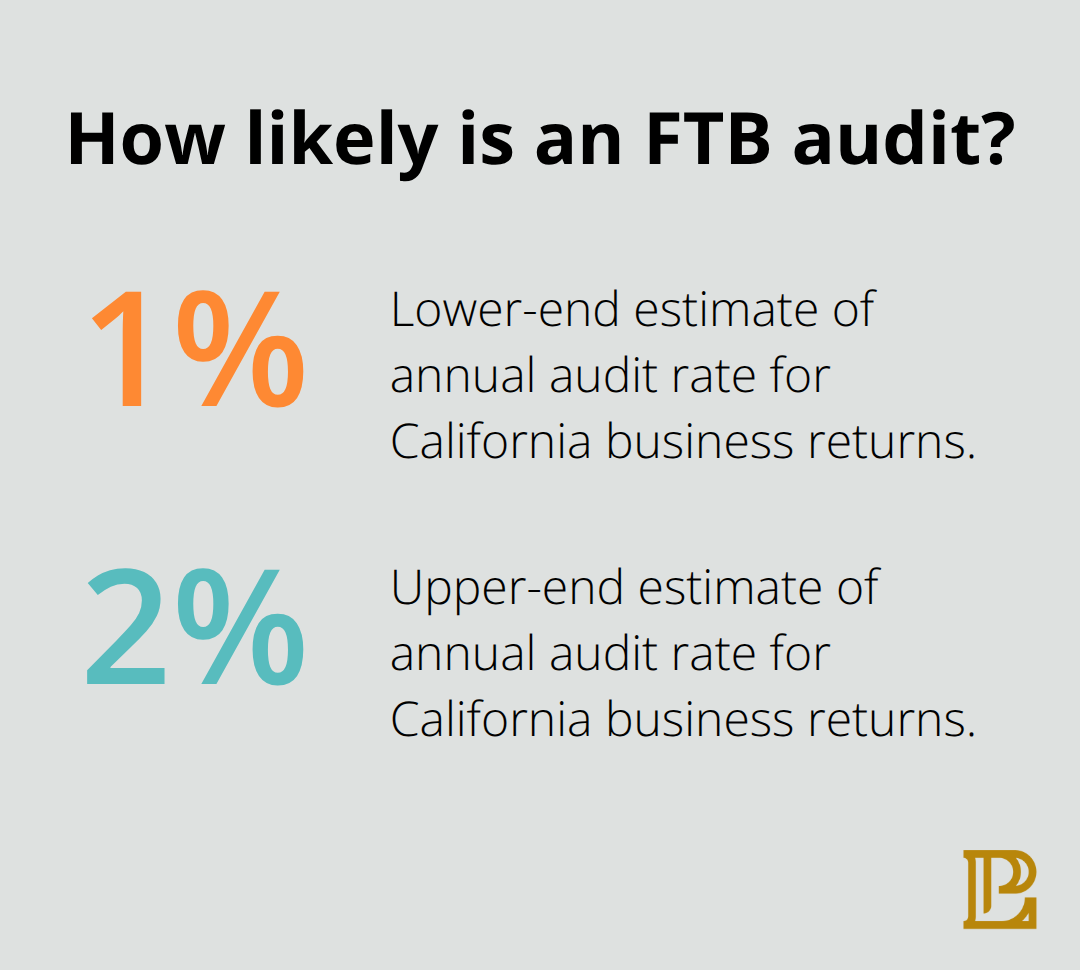
Keep copies of all filed documents in a dedicated folder (both digital and physical) because you’ll need them for business loans, investor presentations, and potential audits. The Franchise Tax Board audits roughly 1 to 2 percent of California business returns annually according to their published statistics, and having organized records dramatically improves your audit outcome if you’re selected.
Final Thoughts
Entity formation in California involves more moving parts than most business owners anticipate, and mistakes made during setup create expensive problems down the road. The difference between handling this process correctly and cutting corners often comes down to whether you have guidance from someone who understands California’s specific requirements. We at Pierview Law work with Hermosa Beach business owners who want to get their entity formation right the first time, and many clients come to us after attempting DIY formation and discovering gaps in their structure or missing compliance deadlines.
Our business law services cover entity formation from start to finish, including contract drafting and financing support as your business grows. We help you select the structure that minimizes your tax burden while protecting your personal assets, then handle the filing process so you can focus on running your business. We also make sure your operating agreements and bylaws actually reflect how you operate, not just generic templates that create problems when disputes arise.
The compliance obligations that follow formation matter just as much as the initial setup, and missing a franchise tax deadline or failing to file your annual statement costs real money in penalties and potentially threatens the liability protection you formed your entity to gain. If you’re forming a business in Hermosa Beach or anywhere in Los Angeles County, contact Pierview Law to discuss your specific situation and walk through your options.