
Your patents are only valuable if you’re actively managing them. At Pierview Law, we help Hermosa Beach business owners understand that patent portfolio management isn’t just about filing applications-it’s about making strategic decisions that protect your competitive advantage and generate revenue.
This guide walks you through assessing what you own, building a stronger portfolio, and turning your intellectual property into real business value.
Patent Portfolio Audit and Classification
Inventory Your Complete Patent Holdings
Start by taking a complete inventory of every patent your business owns. Gather issued patents, pending applications, and any patents you acquired through purchases or mergers. Most Hermosa Beach business owners find they lack a clear picture of their full portfolio. According to the USPTO, the average patent maintenance cost runs between $1,500 to $3,000 per patent over its lifetime, yet many companies continue paying renewal fees on patents that no longer align with their business direction. You need to know exactly what you’re paying for and why.
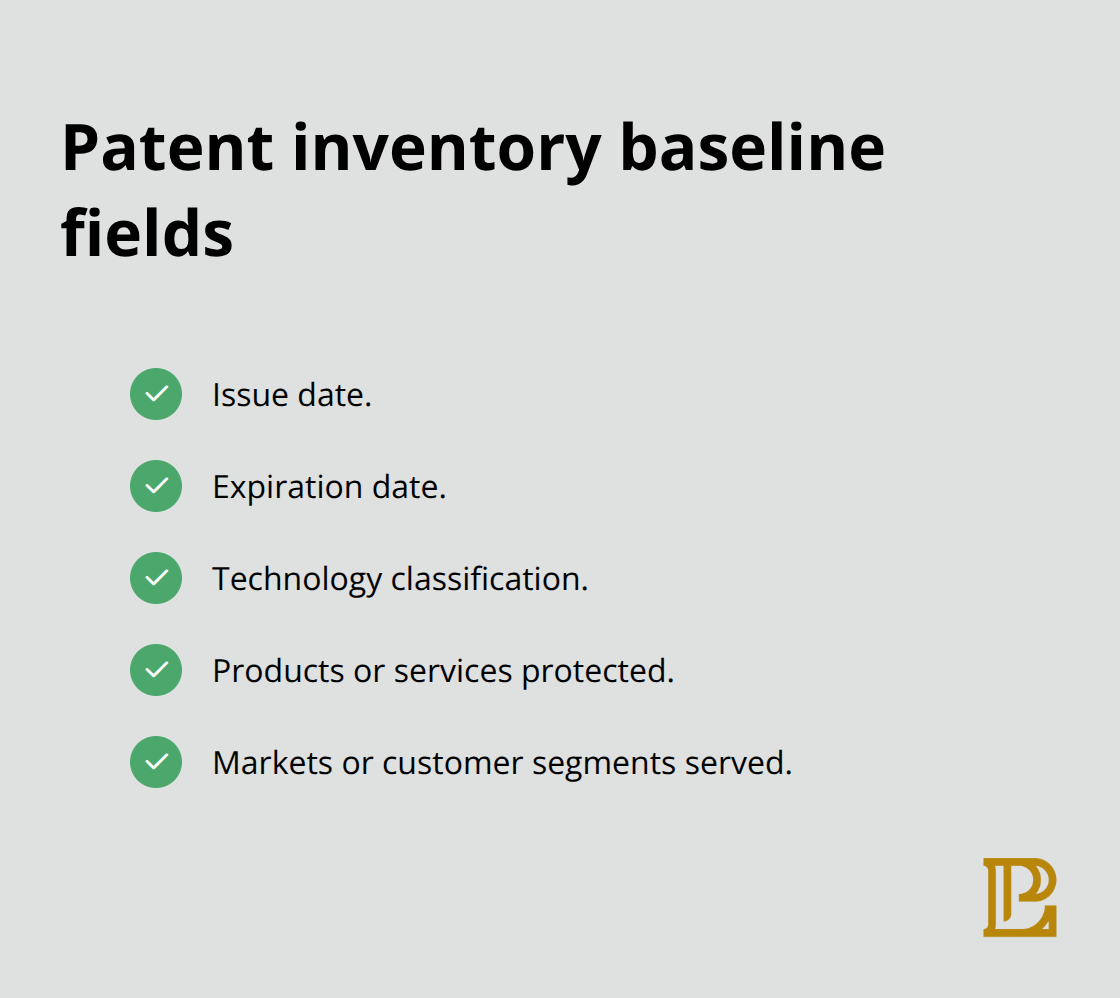
Create a spreadsheet listing each patent’s issue date, expiration date, technology classification, and the products or services it protects. Include which markets or customer segments each patent serves. This foundation matters because you cannot make smart decisions about what to keep, license, or abandon without this baseline data.
Separate Core Patents From Non-Core Assets
Next, separate your patents into two categories: those directly tied to your current revenue streams and competitive position, and those that aren’t. Core patents protect your most profitable products or services and create barriers against competitor entry. Non-core patents might cover older technology, abandoned product lines, or adjacent innovations you never commercialized.
The distinction forces you to evaluate each patent’s actual market relevance, not just its existence. Patents in declining markets or covering obsolete technology drain resources without providing protection. Look at which patents appear in your competitors’ freedom-to-operate analyses, which ones generate licensing inquiries, and which ones you would actually defend in court if infringed. That last question is telling: if you wouldn’t spend money litigating over a patent, it probably shouldn’t consume your maintenance budget.
Assign Business Value Scores
Assign each patent a business value score based on revenue impact, competitive advantage, and defensive strength. This ranking system becomes your roadmap for the decisions ahead, helping you allocate resources where they actually protect what matters to your business. Patents with high scores warrant continued investment and active enforcement, while lower-scoring patents may become candidates for abandonment or licensing to generate revenue from assets you no longer need.
With your portfolio now sorted and valued, you’re ready to build on this foundation by identifying which technology areas deserve your filing resources and how to monitor the competitive landscape around your patents.
Building a Portfolio That Actually Protects Your Business
File Patents in Revenue-Generating Technology Areas
Filing patents in the right technology areas separates businesses that waste money on IP from those that build real competitive moats. Most Hermosa Beach business owners file patents reactively, protecting whatever their team invented last quarter. That approach guarantees wasted spending. Instead, map the technology areas where your business generates revenue and where competitors are most active. The USPTO reported that technology companies filing in concentrated areas see significantly higher enforcement success rates than those with scattered portfolios.
Start with your top three revenue-generating product lines. Identify which patents protect these directly and which technology gaps exist where a competitor could enter. Those gaps represent your filing priorities. File in markets where you can actually defend your position and where infringement would cost you real money. Scattered filings across tangential technologies waste resources without building meaningful protection. Focused filing means lower costs and stronger patents because your applications receive better prosecution and clearer claim language.
Monitor Competitor Patent Activity in Real Time
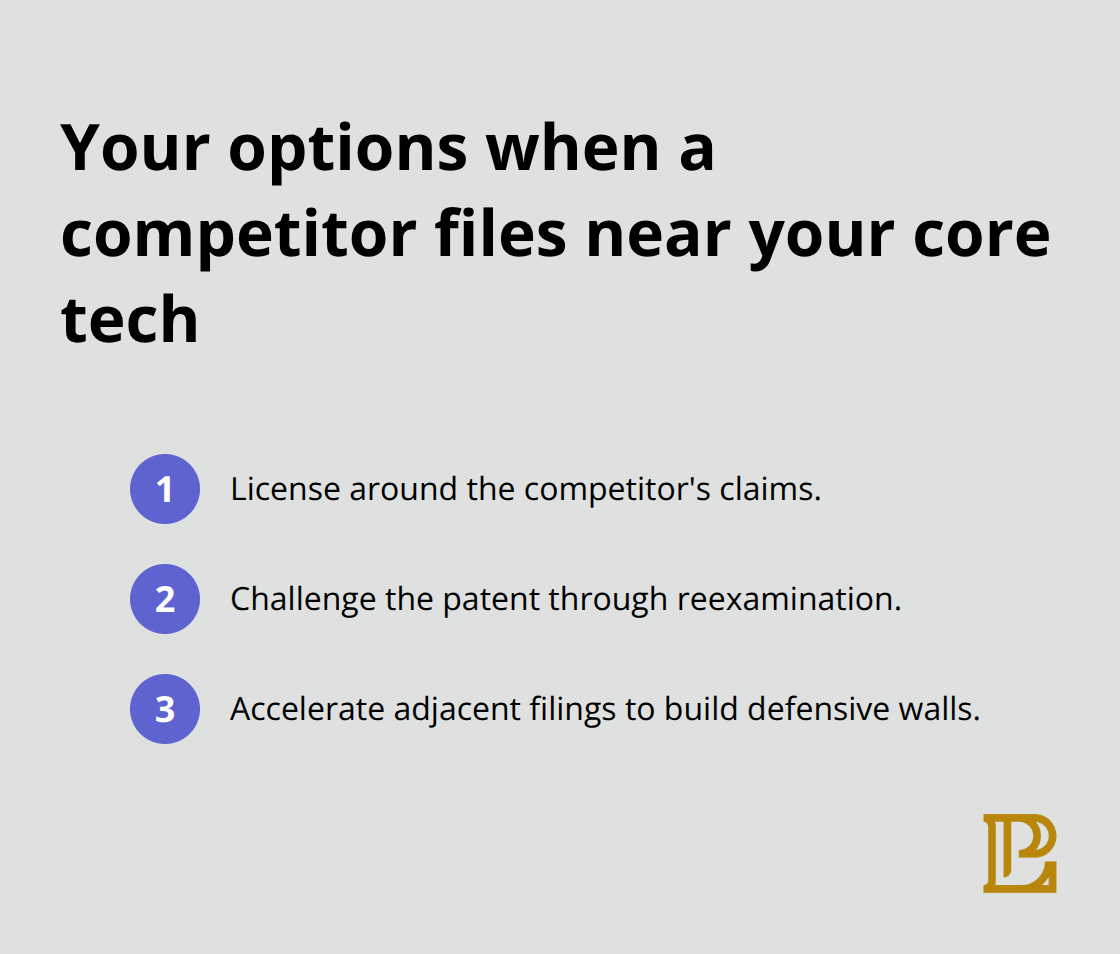
Monitoring competitor patent activity isn’t optional if you want to stay ahead. Set up automated alerts through the USPTO or Google Patents for your competitors’ names and watch what they file in your space. When a competitor files a patent that overlaps with your core technology, you face a choice: license around their patent, challenge it through reexamination, or accelerate your own filings in adjacent areas to build defensive walls.
The key is reacting fast. Most Hermosa Beach businesses only notice competitor patents months after filing when they appear in freedom-to-operate analyses. Real-time monitoring gives you weeks to respond. You gain the advantage of positioning your filings strategically before the competitive landscape hardens. This speed matters because patent prosecution takes time, and early action shapes how examiners view your claims relative to competitor patents already in the system.
Maintain Only Patents That Align With Business Strategy
Pair competitor monitoring with a realistic maintenance plan that abandons patents you won’t enforce within three years. The average cost to maintain a patent through its full twenty-year life exceeds $10,000 when accounting for prosecution, maintenance fees, and renewal costs. If a patent doesn’t align with current business strategy or protect against real competitive threats, dropping it frees capital for stronger filings.
Review your portfolio annually. Remove patents that no longer serve your business. File new patents in areas where you’re winning. That discipline keeps your portfolio lean, defensible, and valuable. This active management approach transforms your patent portfolio from a static collection of documents into a dynamic asset that responds to market conditions and competitive threats. With your portfolio now optimized for protection and growth, the next step involves extracting real financial value from these assets through licensing and enforcement strategies.
Monetizing and Protecting Your Patent Portfolio
License Patents to Generate Immediate Revenue
Your patent portfolio only produces money if you actively monetize it. Most Hermosa Beach business owners treat patents as defensive shields, ignoring the substantial revenue opportunities sitting in their existing filings. Licensing your patents to other companies creates immediate cash flow without abandoning your own use of the technology.
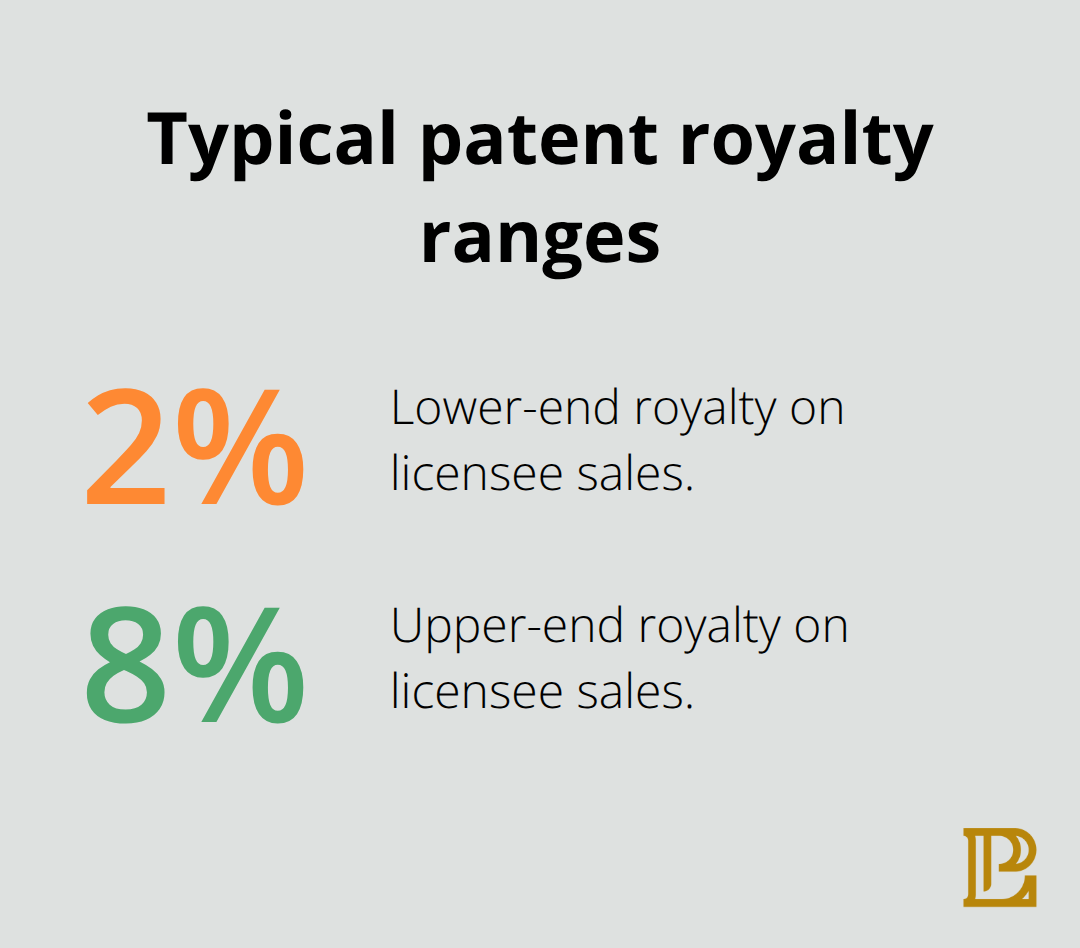
Start by identifying which non-core patents have commercial value in adjacent markets or industries. A manufacturer holding patents in industrial processes, for example, might license those same patents to suppliers or international competitors operating outside your direct market. Negotiate licensing fees based on the licensee’s revenue in the licensed field, not on guesswork. The Licensing Executives Society reports that well-structured patent licenses generate between 2 to 8 percent royalties on licensee sales, depending on the technology’s importance to their business.
Your licensing agreement should include clear field-of-use restrictions so the licensee cannot compete with your core business while profiting from your patents. Many Hermosa Beach companies leave money on the table by setting royalties too low or allowing licensees excessive rights. Demand audit rights so you can verify reported sales figures. Include termination clauses if the licensee stops actively commercializing the patent within a set timeframe, preventing indefinite licensing of dormant technology.
Enforce Patents Against Infringement When It Makes Financial Sense
When competitors infringe your patents, you face a choice between litigation and settlement. Patent litigation costs between $2 million to $5 million through trial according to the American Intellectual Property Law Association, making enforcement viable only for high-value patents where infringement causes measurable damages. Before pursuing litigation, conduct a damages analysis with an economics professional to confirm the lawsuit makes financial sense.
Settlement negotiations often resolve faster and cheaper than court battles, particularly when you present solid evidence of infringement backed by technical analysis. This approach protects your competitive position while avoiding the expense and uncertainty of prolonged litigation. Strong evidence and clear damages calculations give you leverage in settlement discussions.
Sell Patents Strategically to Maximize Value
Consider selling patents outright to competitors or non-practicing entities when enforcement becomes unlikely or when you need immediate capital. Patent brokers and investment firms now actively purchase technology portfolios, offering Hermosa Beach business owners an exit strategy for non-core assets. The key is timing sales strategically before patents age into their later years when remaining value declines sharply.
Active monetization transforms your patent portfolio from an expense into a profit center, funding future innovation while protecting your competitive position. Each strategy-licensing, enforcement, and strategic sales-plays a role in extracting real financial value from your intellectual property assets.
Final Thoughts
Patent portfolio management requires consistent attention and strategic decision-making. The three core principles we’ve covered-auditing what you own, building focused protection in revenue-generating areas, and actively monetizing your assets-form the foundation of a portfolio that actually works for your business. Most Hermosa Beach business owners treat patents as one-time expenses rather than ongoing assets requiring active management, and that mindset costs money.
Start by conducting that comprehensive audit we discussed. Know exactly what patents you own, when they expire, and which ones directly protect your revenue. Then commit to annual reviews where you eliminate underperforming patents and file strategically in areas where you’re winning. Monitor your competitors’ patent filings in real time so you can respond quickly to competitive threats, and look for monetization opportunities through licensing agreements or strategic sales that turn non-core patents into immediate cash flow.
Patent litigation costs millions, but a well-managed portfolio prevents costly disputes by establishing clear competitive boundaries. Licensing generates revenue from assets you’re not actively using, and strategic enforcement protects your market position when infringement occurs. Contact Pierview Law to discuss your intellectual property strategy and transform your patent portfolio from an expense into a competitive asset.