
Los Angeles real estate investment offers genuine wealth-building potential, but it demands clear-eyed understanding of both opportunities and pitfalls. The market has shifted dramatically since 2024, with new financing challenges and regulatory pressures reshaping how investors approach properties in the region.
We at Pierview Law work with real estate investors regularly, and we’ve seen firsthand how the difference between success and costly mistakes often comes down to preparation. This guide walks you through current market conditions, realistic investment opportunities, and the specific risks you need to navigate.
Current Market Conditions in Los Angeles Real Estate
Price Trends Show Coastal Strength, Inland Weakness
Los Angeles real estate prices have stabilized after the sharp corrections of 2024 and early 2025, but stabilization doesn’t mean opportunity knocks equally for everyone. According to CoreLogic data through mid-2026, median home prices in Los Angeles County hover around $685,000, down roughly 12% from the 2022 peak but up 4% from late 2024 lows. This creates a peculiar market where investors face genuine competition from owner-occupants who’ve finally returned after mortgage rates climbed above 6%.
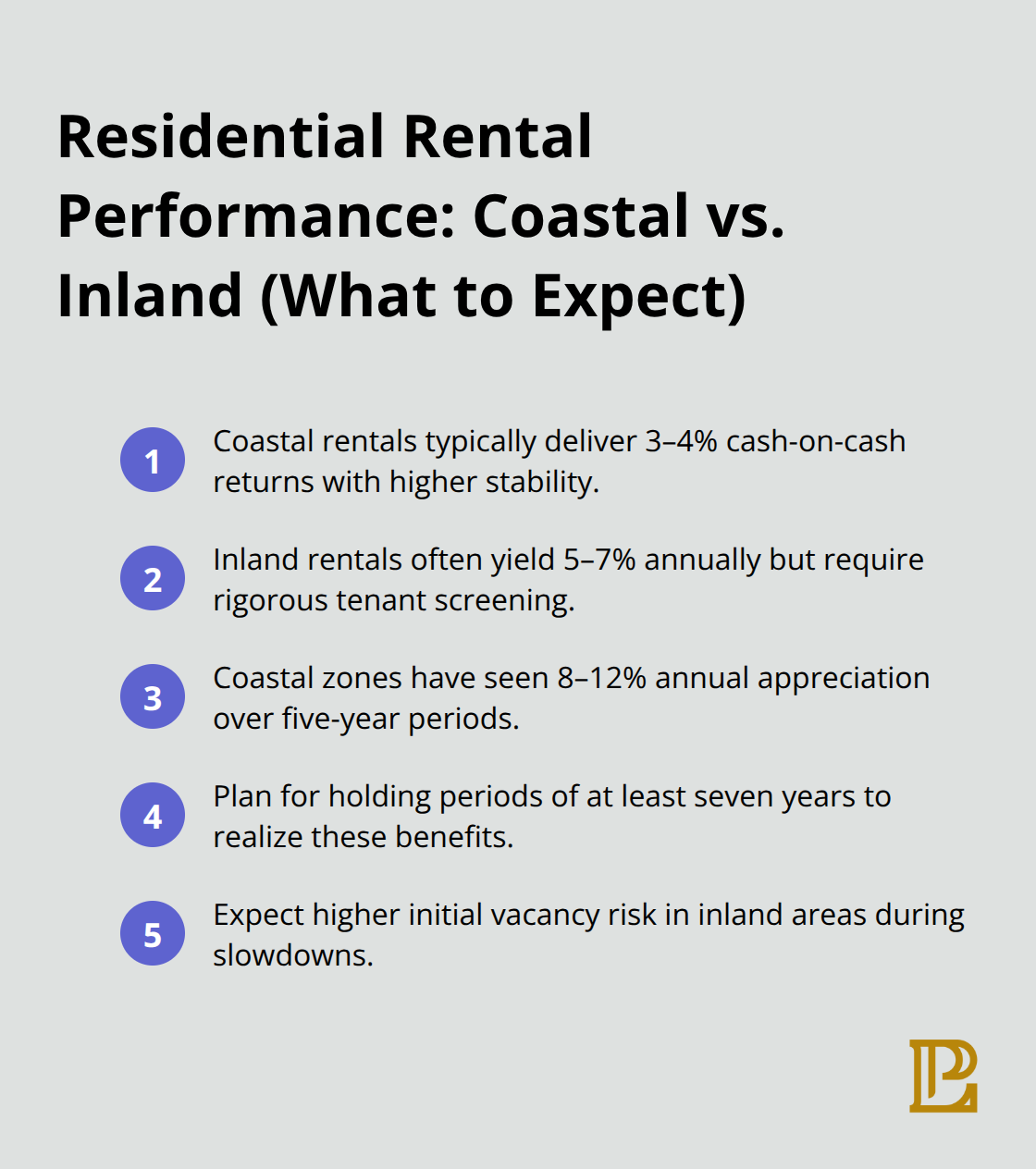
The real story isn’t the headline price-it’s the divergence between neighborhoods. Coastal areas like Hermosa Beach and Manhattan Beach have held value far better than inland regions, with beachfront properties commanding premiums that reflect limited supply and persistent demand from wealthy buyers. If you’re considering residential rental properties, coastal markets offer stability but demand significantly higher capital and deliver modest cash-on-cash returns, typically 3–4% annually. Inland markets offer better cash flow but carry higher vacancy risk and face tougher tenant quality issues.
Financing Requirements Have Tightened Substantially
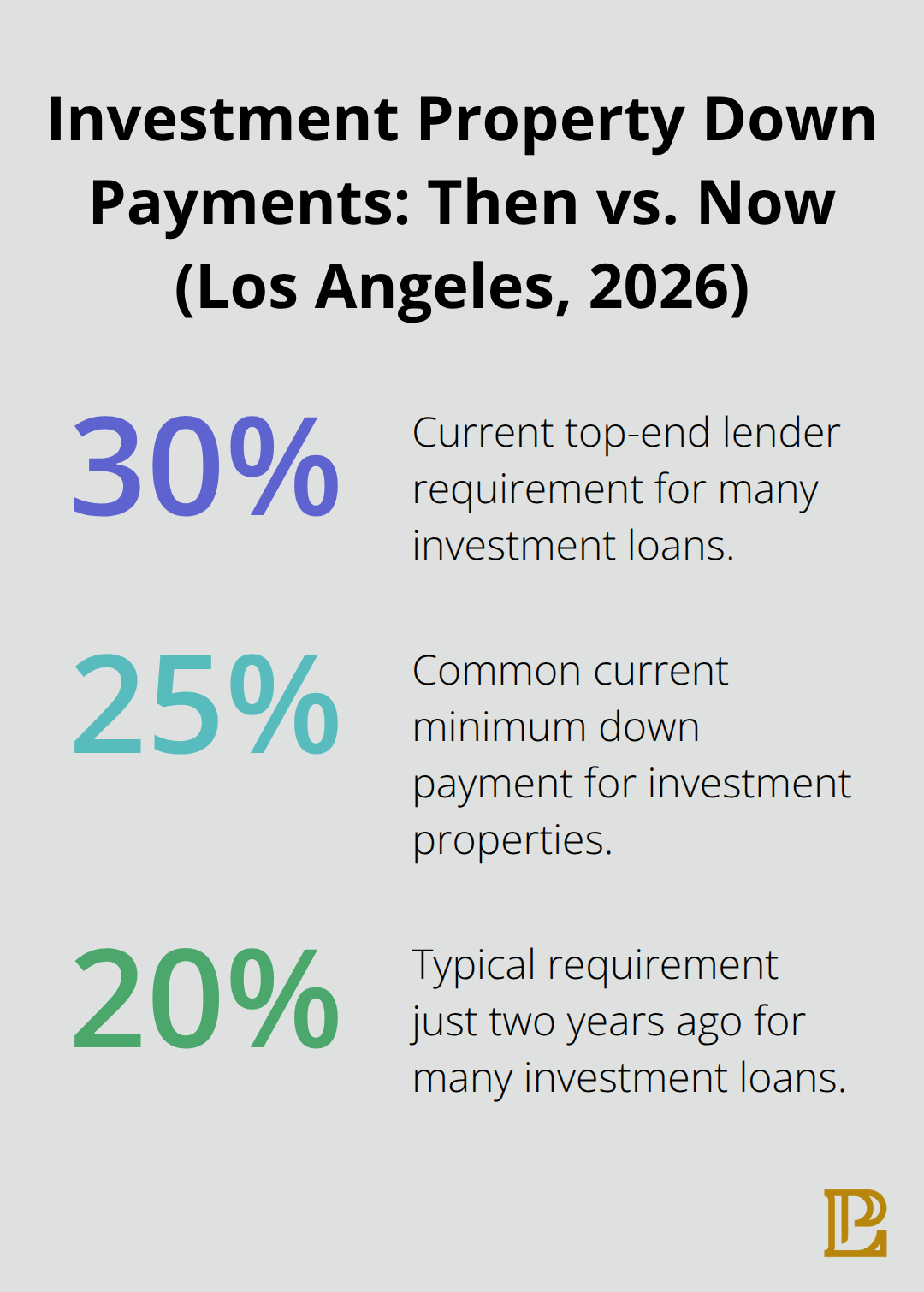
Financing availability has tightened considerably compared to 2023, and this matters far more than interest rates alone. Lenders now require 25–30% down payments for investment properties, up from the 20% standard just two years ago. Debt-service coverage ratios have shifted from 1.2x to 1.35x minimum, meaning your rental income must cover mortgage payments by a larger cushion. This eliminates marginal deals that previously penciled out.
Commercial real estate financing remains even more restrictive-many regional banks have reduced commercial portfolios entirely. If you’re evaluating mixed-use or commercial opportunities, expect longer underwriting timelines and higher interest rates than residential loans.
Inventory Levels Favor Sellers, Challenge Buyers
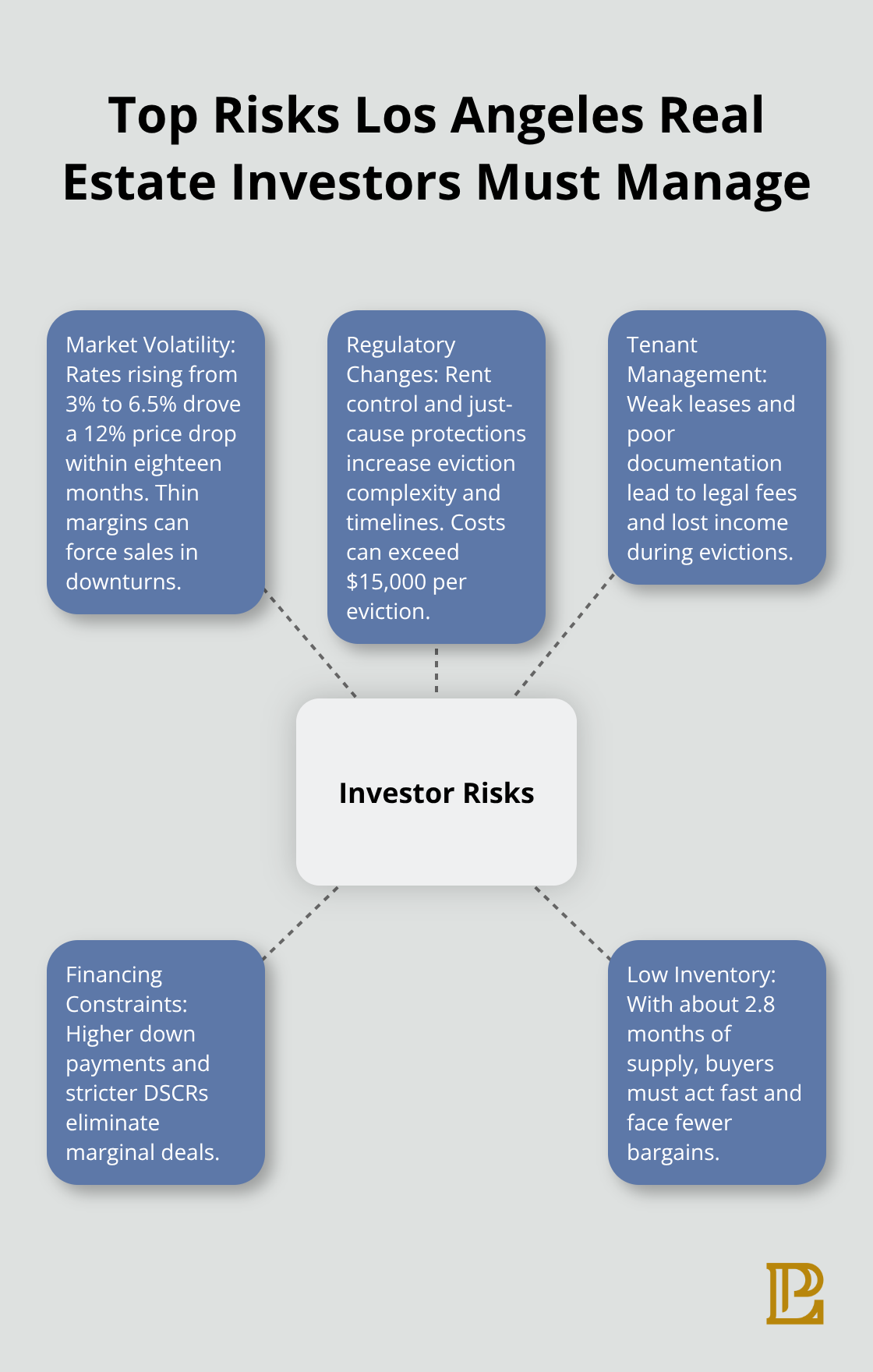
Inventory in Los Angeles County sits at approximately 2.8 months of supply, well below the 5–6 month range that favors buyers. This low inventory benefits property owners but punishes investors searching for deals. Emerging neighborhoods with genuine growth potential-areas like parts of Downtown Los Angeles and Long Beach’s waterfront-show absorption rates that suggest realistic appreciation over 5–10 year holds, though these markets demand patient capital and higher initial vacancy periods.
The financing constraints combined with low inventory create a specific challenge: you must move quickly when opportunities appear, but you cannot afford to move recklessly. Understanding the legal and financial mechanics of each deal becomes your competitive advantage.
Investment Opportunities in Los Angeles Real Estate
Residential Rentals: Stable Returns Over Long Holding Periods
Residential rental properties remain the most accessible entry point for Los Angeles investors, but success requires accepting lower returns than most people expect. Coastal markets like Hermosa Beach deliver stability and tenant quality but generate cash-on-cash returns of 3–4% annually after accounting for maintenance, vacancies, and property management fees. An investor purchasing a $750,000 rental home in Hermosa Beach with 25% down faces mortgage payments, property taxes, insurance, and maintenance costs that leave minimal monthly profit. The real wealth builds through appreciation and mortgage paydown over decades, not quick cash flow.
Inland properties from Long Beach to areas east of Los Angeles generate better cash flow-often 5–7% annually-but demand careful tenant screening and carry higher vacancy risk during economic slowdowns. The National Association of Realtors reported that single-family rental properties in California’s coastal zones experience 8–12% annual appreciation over five-year periods, which justifies the lower cash-on-cash returns if you can sustain holding periods of at least seven years.
Commercial Real Estate: Higher Capital Requirements, Greater Complexity
Commercial real estate and mixed-use developments present genuine opportunity but require substantially more capital and legal preparation than residential deals. Mixed-use properties combining ground-floor retail with upper-level apartments have absorbed faster in Downtown Los Angeles and Long Beach’s waterfront areas than standalone commercial space, according to CoStar data through mid-2026. However, commercial financing remains restrictive-most lenders require 30% down payments and demand personal guarantees from principals.
Lease negotiations for commercial tenants demand far greater attention to renewal rates, tenant improvement allowances, and exclusive-use clauses than residential leases. The difference between a favorable lease structure and a problematic one often determines whether a mixed-use project generates profit or creates headaches for years afterward.
Emerging Neighborhoods: Growth Potential with Extended Timelines
Emerging neighborhoods like parts of Downtown Los Angeles and Signal Hill show genuine demographic shifts and infrastructure investment that suggest 6–10% annual appreciation potential, but these markets require 5–10 year holding periods and realistic expectations about initial vacancy periods. Investors targeting emerging neighborhoods must verify zoning compliance carefully and understand local development plans before committing capital, as regulatory changes can dramatically shift property values.
The legal structure of your investment-whether you hold property as an individual, LLC, or corporation-affects your tax liability and personal liability exposure significantly. Before you commit capital to any emerging neighborhood opportunity, you need to understand both the market fundamentals and the legal framework protecting your investment.
Risks and Challenges for Los Angeles Real Estate Investors
Market Volatility Punishes Thin Margins
Economic cycles hit Los Angeles real estate harder than most investors anticipate, and the next downturn will separate prepared investors from those caught off guard. The Federal Reserve’s interest rate decisions ripple through property values faster than most people expect-when rates climbed from 3% to 6.5% between 2022 and 2023, Los Angeles home prices fell 12% within eighteen months according to CoreLogic data. A similar shock could happen again, and investors holding properties with thin cash flow margins face forced sales during downturns.
Coastal markets like Hermosa Beach hold value better during recessions, but they also require higher initial capital, meaning your losses magnify proportionally. Inland properties generate better cash flow during stable times but deteriorate faster when tenant quality declines and vacancy rates spike, which happens predictably during recessions. The real protection comes from purchasing with sufficient down payment cushion-at least 25-30%-so you can weather extended periods of negative cash flow without triggering distressed sales.
Regulatory Changes Reshape Property Value Overnight
Regulatory and zoning changes pose equally serious threats that most investors underestimate until they occur. Los Angeles County and individual municipalities constantly adjust zoning restrictions, parking requirements, and tenant protection laws. The statewide expansion of rent control measures and just-cause eviction protections means removing problematic tenants now requires formal procedures, documented violations, and legal costs that can exceed $15,000 per eviction according to California Apartment Association data.
Mixed-use and commercial properties face particular risk-a zoning change that eliminates commercial uses or restricts ground-floor retail can destroy a property’s value overnight. Before committing capital to any property, you need clear legal review of current zoning, pending municipal changes, and lease structure requirements specific to the property type and location.
Tenant Management Demands Meticulous Documentation
Tenant management in California demands meticulous documentation of lease violations, maintenance issues, and payment failures because courts consistently favor tenant rights over landlord convenience. A poorly structured lease or inadequate violation documentation can cost you thousands in legal fees and lost rental income during eviction proceedings. Investors who fail to structure leases properly, document tenant violations carefully, or understand local regulatory requirements before purchase often lose money not because their properties underperformed, but because they neglected the legal framework protecting their investment.
Final Thoughts
Los Angeles real estate investment success requires matching your capital, risk tolerance, and holding timeline to specific market conditions rather than chasing generic opportunities. Coastal markets like Hermosa Beach offer stability and long-term appreciation but demand substantial down payments and accept modest cash flow, while inland properties generate better annual returns but require careful tenant management and carry higher recession risk. Commercial and mixed-use deals present genuine wealth-building potential but demand significantly more legal preparation and capital than residential purchases.
The risks you face aren’t theoretical-market volatility can erase years of gains when interest rates shift unexpectedly, and regulatory changes reshape property values overnight, particularly in mixed-use and commercial properties where zoning restrictions directly impact income potential. Tenant management failures cost real money through extended eviction timelines, documentation gaps, and lease structure problems that courts consistently resolve against unprepared landlords. Your competitive advantage comes from understanding both the market fundamentals and the legal framework protecting your investment before you commit capital (this means verifying zoning compliance, reviewing lease structures carefully, and understanding local regulatory requirements).
Connect with Pierview Law to review the legal and financial mechanics of your specific Los Angeles real estate investment opportunity. Our team handles everything from title review and lease negotiations to entity formation and contract drafting, ensuring your investment structure protects your capital and maximizes your returns across all Los Angeles County markets.