
Hermosa Beach businesses face growing challenges protecting their intellectual property assets in today’s competitive market. The right intellectual property management software can streamline patent filings, trademark renewals, and compliance tracking.
We at Pierview Law understand that selecting the wrong system costs both time and money. California’s specific filing requirements make this decision even more critical for local companies.
Key Features to Look for in IP Management Software
Patent portfolio management capabilities separate effective systems from basic tracking tools. The software must handle multiple patent families across different jurisdictions while it maintains clear relationships between continuation applications and parent filings. Questel manages IP rights for over 20,000 organizations worldwide because their platform tracks these complex relationships automatically. Your system should generate prosecution timelines that account for Office Action responses and continuation deadlines simultaneously. Dennemeyer handles over three million globally registered IP rights through automated workflow triggers that prevent costly missed deadlines.
Patent and Trademark Portfolio Management
Modern systems track patent families across multiple jurisdictions while they maintain parent-child relationships between applications. The platform should display prosecution status for each application in your portfolio with real-time updates from patent offices worldwide. Advanced software generates comprehensive reports that show portfolio value, maintenance costs, and upcoming decision points. Companies need systems that handle both utility patents and design patents within the same interface (avoiding the confusion of multiple platforms). The software must accommodate trademark classes, renewal schedules, and opposition proceedings alongside patent management functions.
Automated Deadline Management Systems
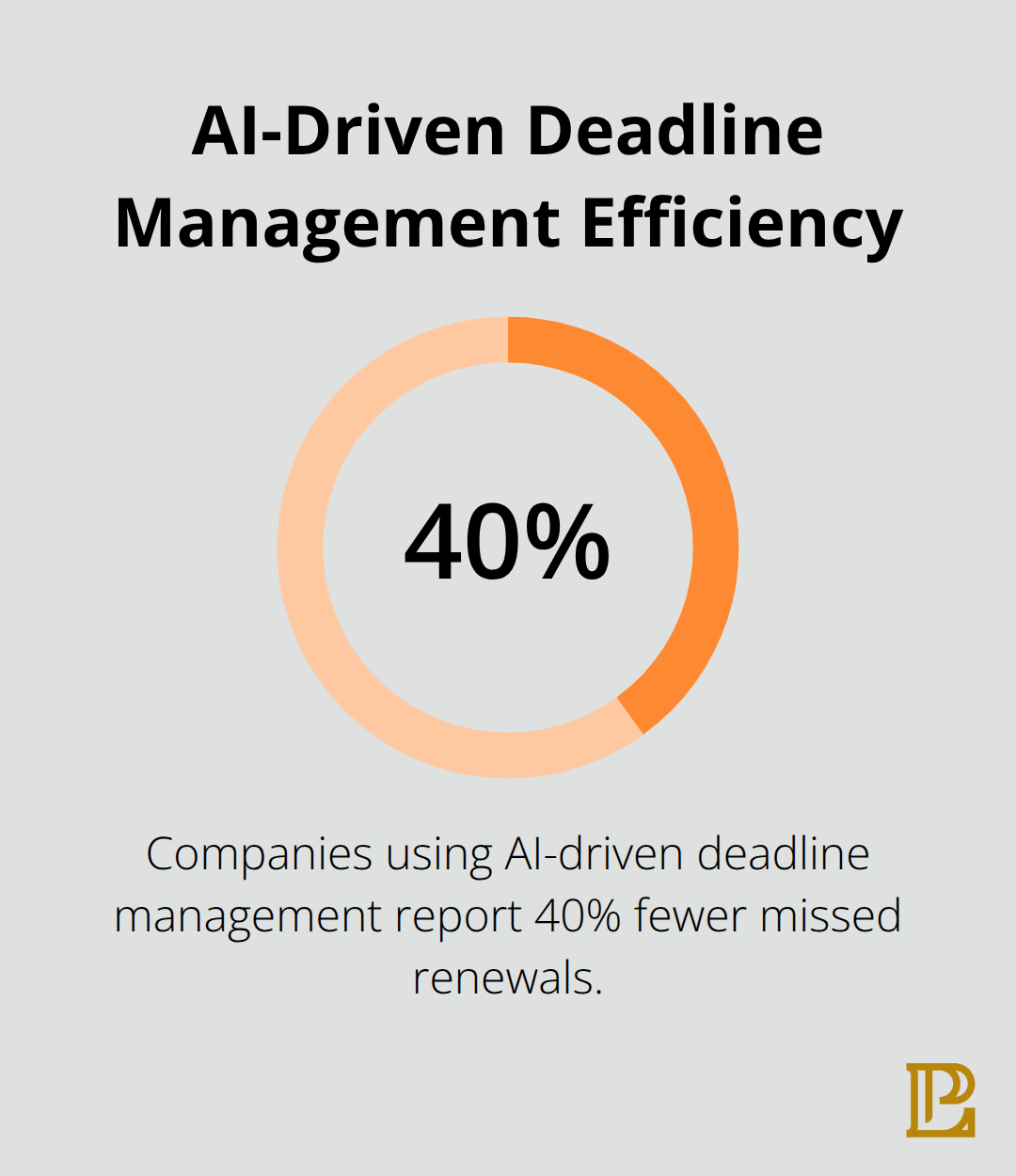
Missing renewal deadlines costs Hermosa Beach businesses thousands in lapsed rights and re-filing fees. Cloud-based systems like Alt Legal provide automatic updates that sync with USPTO databases in real-time, which eliminates manual calendar entries. The software should send escalating alerts at 90, 60, and 30-day intervals before each deadline. Advanced platforms calculate foreign filing deadlines based on priority dates and treaty requirements without human intervention. Companies that use AI-driven deadline management report 40% fewer missed renewals compared to manual tracking methods.
Document Storage and Version Control
Version control prevents the nightmare scenario where you file outdated patent applications or trademark specimens. The system must maintain complete audit trails that show who modified documents and when changes occurred. Modern platforms integrate with existing business systems through APIs that automatically pull updated company information into patent applications. Effective document storage requires encrypted cloud access with role-based permissions that protect attorney-client privileged communications. The software should automatically generate filing-ready documents from your stored templates while it maintains formatting consistency across all submissions.
Integration Capabilities and System Compatibility
Your chosen platform must connect seamlessly with existing business systems to avoid data silos and duplicate entry work. The software should integrate with accounting systems to track IP-related expenses and calculate portfolio maintenance costs automatically. Modern solutions offer API connections that sync with CRM platforms, allowing sales teams to access patent status information during client meetings. Cloud-based integration eliminates the need for manual data transfers between systems (reducing errors and saving administrative time). The next consideration involves whether cloud-based or on-premise solutions better serve your specific business requirements and security needs.
Evaluating Software Options for Hermosa Beach Businesses
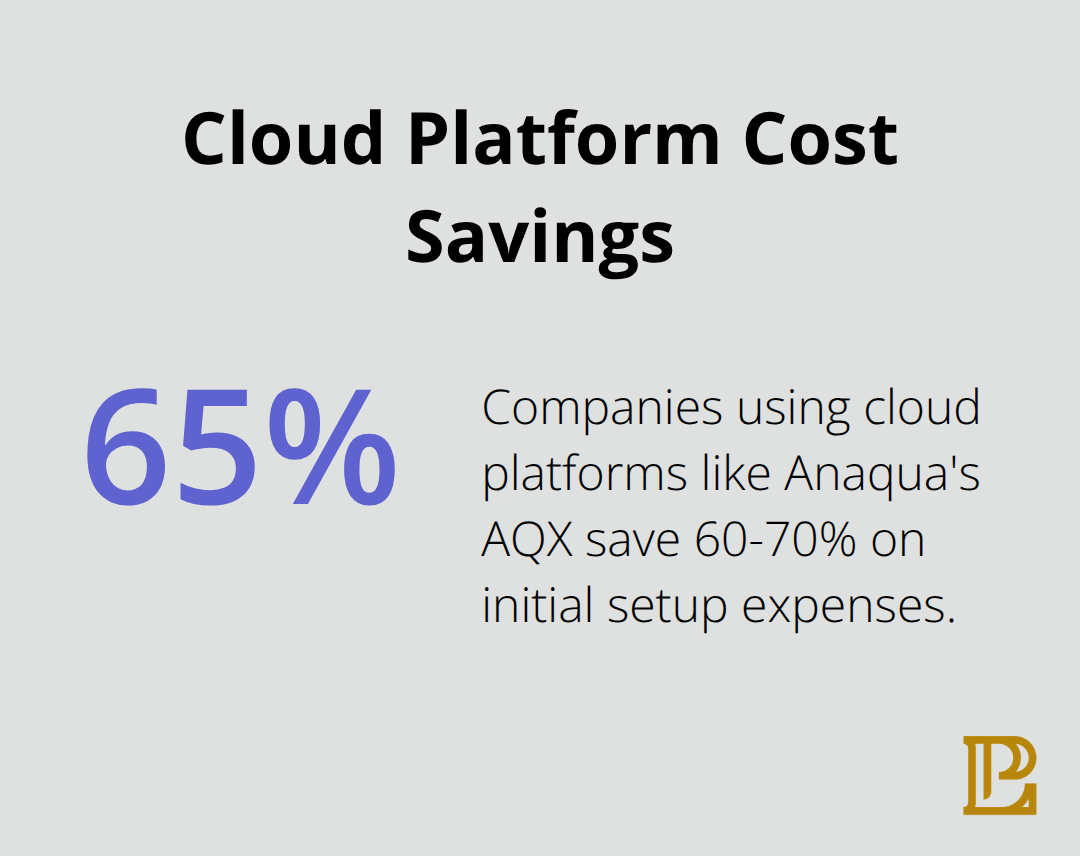
Cloud-based solutions dominate the IP management landscape because they eliminate the massive upfront infrastructure costs that burden on-premise systems. Companies that use cloud platforms like Anaqua’s AQX save 60-70% on initial setup expenses while they gain automatic software updates and enhanced security protocols. On-premise solutions require dedicated IT staff, server maintenance, and costly security implementations that smaller Hermosa Beach businesses cannot justify. Cloud systems provide instant scalability when your patent portfolio grows from dozens to hundreds of applications without hardware upgrades or system downtime.
Cloud-Based vs On-Premise Solutions
The deployment model you choose affects both immediate costs and long-term operational efficiency. Cloud platforms offer immediate access to advanced features like AI-powered prior art searches and automated deadline management without the need for internal IT infrastructure. On-premise systems give you complete control over data location and security protocols, but they demand significant technical resources that most businesses lack. Companies that select cloud solutions report faster implementation times (typically 2-4 weeks versus 3-6 months for on-premise installations). The scalability advantage becomes apparent when your IP portfolio expands rapidly, as cloud systems accommodate growth without hardware investments or system migrations.
Integration with Existing Business Systems
The total cost of ownership extends far beyond monthly subscription fees, particularly when integration requirements surface. Cloud-based IP management platforms connect with existing accounting systems through pre-built APIs, while on-premise solutions often require custom development work that costs $50,000-$100,000 per integration. Companies that use platforms like senseIP report seamless data flow between their IP management system and QuickBooks within 48 hours of setup. Budget planning must account for maintenance contracts, which typically run 20-25% of the initial software license cost annually for on-premise systems. Smart businesses calculate five-year total ownership costs rather than focus solely on first-year expenses.
Cost Analysis and Budget Considerations
Mid-sized Hermosa Beach companies should allocate $15,000-$25,000 annually for comprehensive IP management software that includes patent portfolio tracking, trademark monitoring, and deadline management features. Enterprise-level solutions that serve companies with 500+ IP assets range from $75,000-$150,000 per year but provide advanced analytics and multi-jurisdictional filing capabilities that smaller platforms lack. The software investment pays for itself when it prevents a single missed renewal deadline (which typically costs $5,000-$15,000 in re-filing fees and lost time). Companies must evaluate whether their current IP portfolio size and growth projections justify premium features like automated foreign filing coordination and comprehensive reporting dashboards.
California’s specific legal requirements add another layer of complexity to your software selection process, particularly regarding data security and compliance standards. When intellectual property disputes arise, businesses need access to trademark and copyright legal expertise to protect their assets effectively.
Legal Compliance Requirements in California
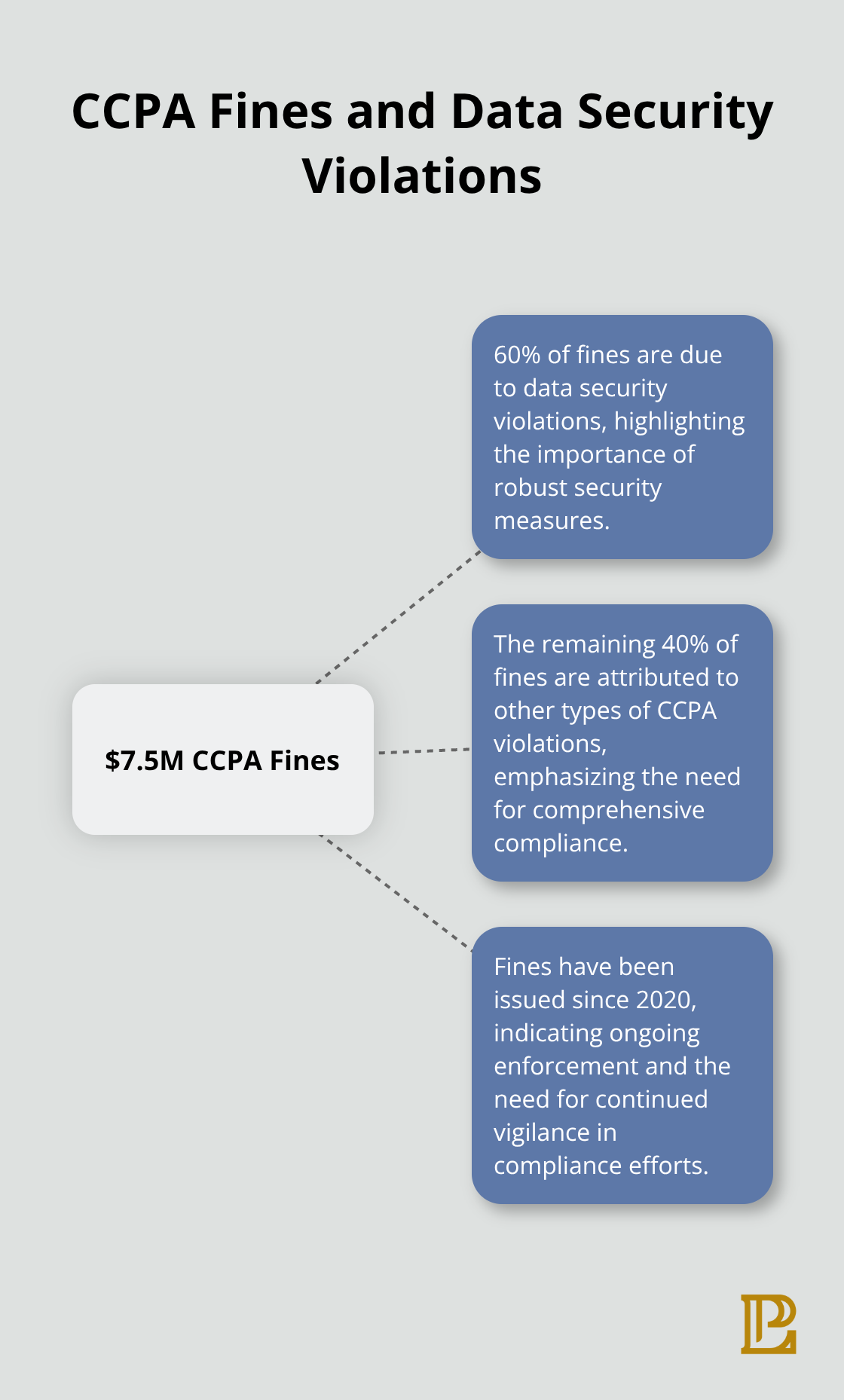
California’s Consumer Privacy Act demands that IP management software implement specific data protocols that differ from federal requirements. Your platform must demonstrate CCPA compliance through documented data agreements, user consent mechanisms, and deletion capabilities that activate within 30 days of request. The California Attorney General’s office has issued $7.5 million in CCPA fines since 2020, with data security violations representing 60% of all penalties assessed. Software vendors must provide detailed security certifications including SOC 2 Type II compliance and regular penetration testing results to meet California’s privacy standards.
State-Specific IP Filing Requirements
California businesses that file trademark applications through the Secretary of State need software that connects directly with the state’s online system rather than manual document uploads. The state processes over 45,000 trademark applications annually, and systems that integrate with California’s database reduce errors by 75% compared to manual submissions. Your software must handle California’s trademark renewal requirements, which differ from federal USPTO timelines and require separate tracking systems. Companies that use integrated state capabilities report 40% faster processing times and fewer rejection notices due to format errors.
Data Security and Privacy Regulations
IP management platforms must encrypt all stored data and maintain access logs that demonstrate compliance with California’s heightened privacy standards. The software should provide role-based permissions that limit access to sensitive patent information based on user credentials and business needs. California law requires companies to notify affected parties within 72 hours of any data breach that compromises personal information (including inventor details and client data). Systems must include automatic backup protocols and disaster recovery plans that meet California’s business continuity requirements for professional service firms.
Attorney-Client Privilege Protection
IP management platforms must maintain attorney-client privilege through encrypted communication channels that meet California State Bar requirements for confidential client information. The software should provide secure client portals where attorneys can share sensitive patent drafts and trademark strategies without compromising privilege protection. California courts have ruled that inadequately secured digital communications can waive attorney-client privilege, making robust encryption non-negotiable for law firms. Systems must log all access attempts and maintain audit trails that demonstrate compliance with California’s professional responsibility rules.
Final Thoughts
Hermosa Beach businesses must evaluate patent portfolio capabilities, deadline tracking systems, and California compliance requirements when they select intellectual property management software. Cloud-based solutions provide superior scalability and cost efficiency for most companies, while integration capabilities determine long-term operational success. The complexity of California’s privacy regulations and state-specific filing requirements makes professional legal guidance valuable during software selection and implementation.
We at Pierview Law help businesses navigate these technical decisions while they maintain compliance with attorney-client privilege protection standards. Implementation success depends on thorough vendor evaluation, staff training programs, and ongoing legal oversight. Companies that combine robust software with experienced legal counsel achieve better portfolio protection and reduced compliance risks.
Your software investment requires careful planning to maximize protection of valuable IP assets throughout the selection and deployment process (particularly in California’s complex regulatory environment). Pierview Law provides the business law and intellectual property guidance necessary to support your technology decisions. Professional legal counsel helps businesses avoid costly compliance mistakes while they implement new management systems.