
Buying a business is one of the biggest decisions you’ll make as an owner. Buy side mergers and acquisitions require careful planning, thorough research, and solid legal guidance to protect your interests.
This guide walks you through the entire process-from evaluating potential targets to closing the deal. We at Pierview Law help Hermosa Beach business owners navigate these complex transactions with confidence.
What Buy Side Acquisitions Actually Mean
When you acquire another business, you take control of its operations, assets, and liabilities. This isn’t a passive investment-you become responsible for integrating systems, managing employees, and realizing the financial projections that justified the purchase price. Most acquisitions in Hermosa Beach and Los Angeles County range from $20 million to $500 million in enterprise value, though smaller deals under $10 million remain common for owner-operated businesses. You inherit all the operational complexity when you buy a business, not just financial returns.
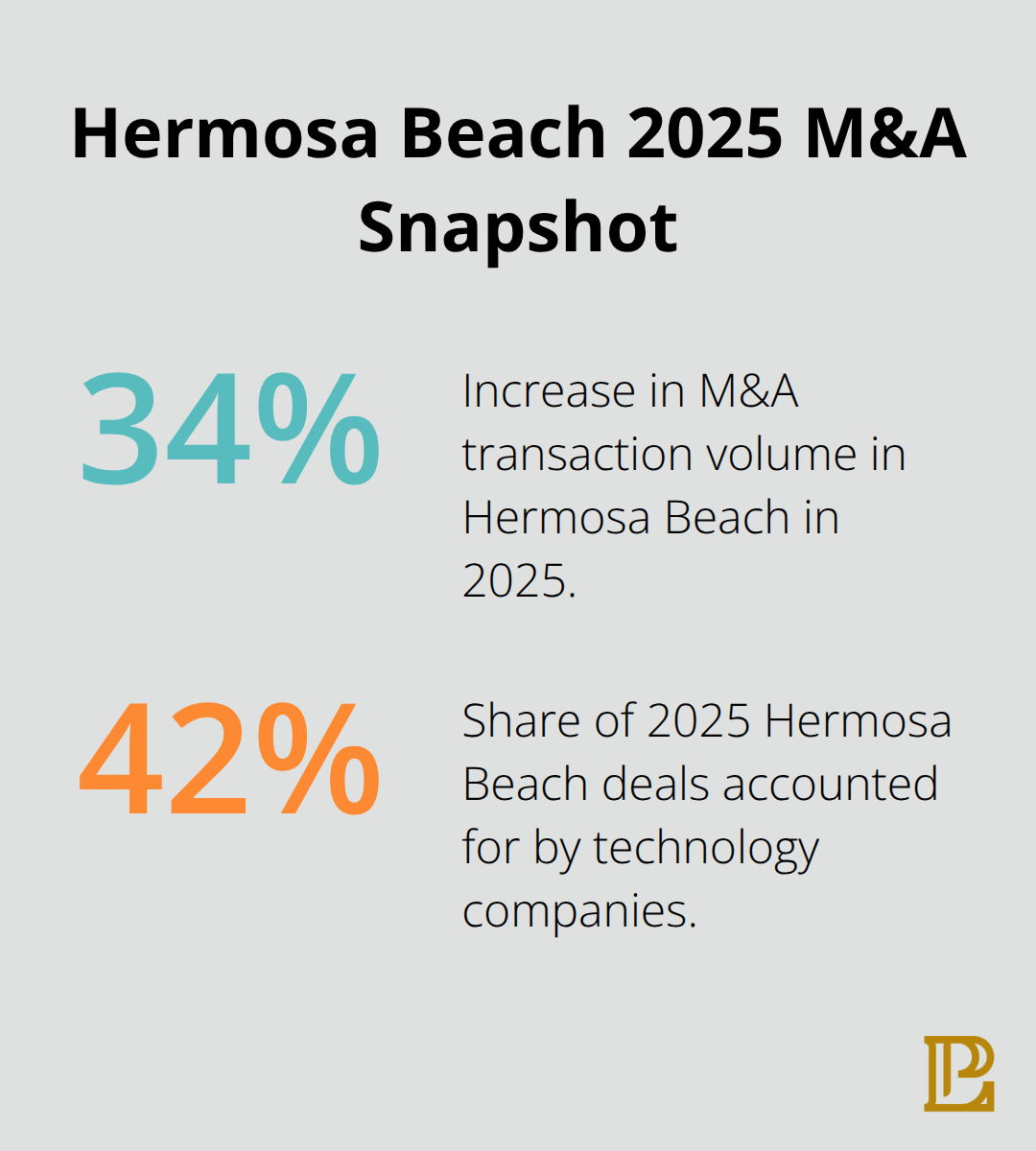
In 2025, Hermosa Beach saw a 34% increase in M&A transaction volume, with technology companies accounting for 42% of all deals. This surge reflects growing appetite among business owners to expand through acquisition rather than organic growth. Acquisitions move faster than mergers-you can typically close within 6-12 months compared to 12-18 months for mergers-and they deliver 15-25% revenue increases in the first year when integration executes well.
Why Acquisitions Outpace Mergers for Growth
Acquisitions give you control immediately. You set strategy, retain key talent with bonuses typically ranging from 8-12% of deal value, and consolidate operations on your timeline. Mergers, by contrast, require equal board representation and shared decision-making, which slows execution and dilutes your vision. Choose acquisitions if you want rapid market expansion and operational control.
The financial case proves compelling: acquiring a competitor with tax losses reduces your effective tax rate by up to 10% according to the Tax Policy Center, and merged entities see 2-3% reductions in cost of capital according to the National Small Business Association. Inventory cost savings often reach 15%, while administrative consolidation cuts costs by 25%. These numbers reflect what buyers actually achieve when they execute integration plans properly. Poorly executed integration, however, erodes up to 42% of anticipated synergies due to cultural misalignment and operational friction.
Structuring for Speed and Tax Efficiency
The purchase agreement determines everything: asset versus stock purchase, earn-out provisions, escrow holdbacks, and indemnification caps. Most Hermosa Beach deals hold 15-20% of the purchase price in escrow to manage regulatory uncertainty and unforeseen liabilities. Valuation disagreements account for 38% of local M&A deals, typically with price expectation gaps of 25-40%, so having your legal team validate valuations early prevents negotiation breakdown.
Seller financing remains common for deals under $10 million, with sellers accepting 20-30% notes over 5-7 years. Tax planning must integrate into deal design-the structure you choose affects your tax burden for years. Strategic buyers often pay premium valuations of 8-12x revenue for profitable tech ventures, so understanding your target’s true earning power guides your offer strategy.
What Happens During Due Diligence
Your legal team reviews the target company’s contracts, employee agreements, intellectual property, and regulatory compliance during due diligence. This phase typically runs 60-90 days and uncovers liabilities that affect valuation and deal structure. Environmental assessments and title searches become particularly important in Hermosa Beach, where coastal properties face tsunami insurance and erosion liability considerations. The findings from due diligence feed directly into your purchase agreement terms and post-close integration planning, so thorough investigation now prevents costly surprises later.
What Due Diligence Reveals About Your Target
Financial health extends far beyond revenue and profit margins. Pull three years of tax returns, bank statements, and accounts receivable aging reports to verify that reported earnings actually moved through the bank. Hermosa Beach and Los Angeles County deals averaging $20 million to $500 million in enterprise value often reveal discrepancies between what owners claim and what the numbers support-valuation disagreements account for 38% of local M&A deals, typically with price expectation gaps of 25-40%. Request detailed customer concentration data, contract renewal rates, and customer acquisition costs. If one customer represents more than 20% of revenue, that concentration risk should reduce your offer price materially. Review the last 60-90 days of cash flow statements to spot seasonal patterns or unusual transactions that signal operational stress. Don’t accept management’s verbal explanations-require documented evidence. Accounts payable aging reveals whether the business stretches vendor payments, a sign of cash flow problems masked by accounting entries. Talk directly to the company’s accountant and bank to validate financial stability outside the owner’s narrative.
Legal and Operational Risk Demands Priority
Legal due diligence uncovers liabilities that transfer to you at closing. In Hermosa Beach, environmental assessments matter enormously-coastal properties require tsunami insurance, and erosion liability can surface years after purchase. Review all contracts: customer agreements, supplier relationships, employment arrangements, and lease terms. A customer contract with a 90-day termination clause creates massive post-close revenue risk that your valuation must reflect. Check for pending or threatened litigation, regulatory investigations, and compliance violations. Review intellectual property registrations, licensing agreements, and whether the company owns or licenses critical technology. Employment agreements often contain change-of-control provisions that trigger severance obligations or key employee departures. Environmental liabilities in industrial or retail properties demand Phase I assessments and, if needed, Phase II testing to quantify remediation costs. Operational reviews should map out vendor dependencies, inventory turnover, equipment condition, and customer service processes. A target with strong margins but deteriorating equipment or single-vendor reliance represents hidden integration costs that erode synergies.
Cultural Alignment Takes a Back Seat to Operations
Cultural fit matters less than operational alignment-you can change culture over time, but operational redundancies and process conflicts cost real money to resolve. Integration teams often struggle when they prioritize cultural compatibility over process efficiency, leading to wasted resources and delayed synergy realization. Focus your due diligence on identifying operational friction points: duplicate functions, incompatible systems, and workflow bottlenecks that will consume post-close attention and budget. These operational realities determine whether you achieve the 15-25% revenue increases and 25% administrative cost reductions that justify the acquisition premium.
Valuation Methods Prevent Negotiation Breakdown
Calculate valuation using three independent methods: comparable company multiples, discounted cash flow analysis, and precedent transactions in the same industry. For profitable tech ventures in Hermosa Beach, private equity buyers typically pay 8-12x revenue, so if the seller demands 15x, understand why before countering. Comparable companies should match size, growth rate, profitability, and market conditions-don’t compare a $50 million acquisition to a $500 million comparable. Build a detailed integration cost model that accounts for system consolidation, redundant headcount, facility consolidation, and working capital adjustments. Most buyers underestimate integration costs by 20-30%, which means your true purchase price includes post-close spending that reduces realized returns.
Representations, Warranties, and Escrow Protection
Have your legal team validate all representations and warranties in the purchase agreement, particularly around accounts receivable quality, inventory obsolescence, and customer contract validity. Escrow holdbacks typically run 15-20% of purchase price to cover unknown liabilities discovered post-close, so factor that into your cash requirements. If the seller won’t accept reasonable escrow terms or representation warranties, that hesitation signals underlying problems worth investigating further. These protections become your recourse mechanism when post-close discoveries reveal inaccuracies in the seller’s financial or operational claims. With due diligence complete and valuation validated, you move into structuring the deal itself-determining whether an asset or stock purchase better serves your tax position and integration timeline.
How to Price Your Acquisition and Protect Your Investment
Your valuation methodology determines whether you overpay or capture real value. Most Hermosa Beach buyers rely on a single valuation approach, which creates dangerous blind spots when market conditions shift or the seller disputes your numbers. Calculate valuation using three independent methods simultaneously: comparable company multiples, discounted cash flow analysis, and precedent transactions in your target’s industry. For profitable tech ventures in Hermosa Beach, private equity buyers typically pay 8-12x revenue according to market data, so if a seller demands 15x revenue, you need documented justification before moving forward. Comparable companies must match your target’s size, growth rate, profitability, and market conditions-comparing a $50 million acquisition to a $500 million comparable wastes your time and produces useless numbers.
Structure Your Deal to Minimize Tax and Liability Risk
Once you settle on a fair price, the purchase agreement becomes your protection mechanism. This document determines whether you structure the deal as an asset purchase or stock purchase, sets escrow holdbacks, defines earn-out provisions, and establishes indemnification caps. Stock purchases transfer the entire company to you, including unknown liabilities, so they require extensive representations and warranties. Asset purchases let you cherry-pick which liabilities transfer, but they trigger sales taxes and complicate employee transitions. Most Hermosa Beach deals hold 15-20% of the purchase price in escrow to manage regulatory uncertainty and cover unforeseen liabilities discovered after closing. Valuation disagreements account for 38% of local M&A deals, typically with price expectation gaps of 25-40%, so having your legal team validate valuations early prevents negotiation breakdown.
Tax planning must integrate into deal structure-the choice between asset and stock purchase, the use of earnouts versus upfront cash, and the allocation of purchase price all affect your tax burden for years. Work with your legal team to model how different structures impact your post-close tax position, because a structure that saves 5-8% in taxes on a $50 million deal saves meaningful capital.
Account for Every Integration Dollar in Your Cost Model
Your integration cost model must account for every dollar you will spend post-close, because most buyers underestimate integration costs by 20-30%, which directly reduces your realized returns. System consolidation, redundant headcount elimination, facility consolidation, and working capital adjustments all consume capital after you sign the purchase agreement. Seller financing remains common for deals under $10 million, with sellers accepting 20-30% notes over 5-7 years, which means your cash requirements may be lower than the total purchase price but your financing obligations extend years beyond closing.
Validate Representations and Establish Recourse
Have your legal team validate all representations and warranties in the purchase agreement, particularly around accounts receivable quality, inventory obsolescence, and customer contract validity. If the seller resists reasonable escrow terms or refuses to stand behind key representations, that hesitation signals underlying problems worth investigating further. These protections become your recourse mechanism when post-close discoveries reveal inaccuracies in the seller’s financial or operational claims.
Address Contingencies and Post-Closing Adjustments
Contingencies in your purchase agreement should address environmental liabilities in Hermosa Beach coastal properties, regulatory approvals if your industry requires them, and third-party consents for critical customer or supplier contracts. The Federal Trade Commission increased scrutiny of horizontal mergers in 2025, with preliminary reviews averaging 120 days for deals above $50 million, so build that timeline into your closing schedule. Post-closing adjustments for working capital, inventory, and accounts receivable should use objective formulas rather than subjective disputes, so specify exactly how you will calculate these adjustments before signing.
Final Thoughts
Buy side mergers and acquisitions succeed when you combine rigorous financial analysis with thorough legal protection at every stage. Validating target company financials, uncovering operational and legal risks during due diligence, calculating fair valuation using multiple methods, and structuring the deal to minimize tax exposure all determine whether you capture real value or overpay. Most Hermosa Beach buyers who achieve the projected 15-25% revenue increases and 25% administrative cost reductions invested in proper legal and financial groundwork before signing the purchase agreement, and they negotiated based on facts rather than emotion.
The integration phase determines whether you realize the synergies that justified your acquisition premium. Start integration planning during due diligence so your team understands the operational changes required and the timeline for consolidation, because poorly executed integration erodes up to 42% of anticipated synergies while well-planned integration captures the full value you identified during your analysis. Your purchase agreement protections-escrow holdbacks, representations and warranties, and indemnification provisions-become your recourse when post-close discoveries reveal inaccuracies in the seller’s claims.
We at Pierview Law support acquisition transactions for Hermosa Beach and Los Angeles County business owners by handling the legal complexities that protect your investment. Our team drafts purchase agreements that allocate risk appropriately, validates representations and warranties, manages due diligence coordination, and structures deals for tax efficiency. Contact us at Pierview Law to discuss your specific acquisition situation and timeline.